POLITICS & POLICY MAKING
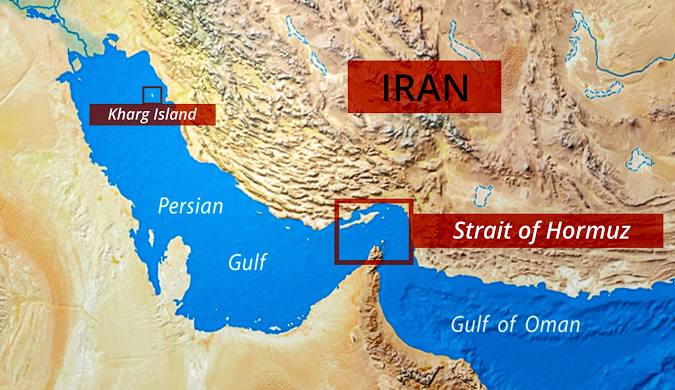
Maritime Conflict & The "Special Agreement" System
While the leaders of the world's two largest economies discussed peace, the waters near the Persian Gulf saw a surge in hostile activity.
-
Fresh Attacks: India reported an attack on one of its commercial vessels off the coast of Oman, though all crew members are safe. Simultaneously, the UKMTO reported that "unauthorized personnel" seized a ship anchored off Fujairah, UAE, and are currently steering it toward Iranian waters.
-
The Control Map: The seizure near Fujairah is particularly alarming as Iran recently expanded its claimed maritime boundaries to include this critical port, which typically allows UAE oil to bypass the Strait.
-
Selective Passage: Iran is now using the Strait as diplomatic leverage, granting passage only under specific "special agreements." While a Japanese tanker was cleared yesterday, Iranian state media confirmed today that certain Chinese vessels would now be permitted through the blockade.
The Beijing Summit: Trump’s "Red Line" Diplomacy
President Trump’s first visit to China in nearly a decade has been dominated by the war, which has now lasted two and a half months.
-
The Impasse: Negotiations are currently frozen. Washington demands that Tehran surrender its 400 kg of near-weapons-grade uranium, while Iran is demanding full sanctions relief, war reparations, and international recognition of its control over the Strait of Hormuz.
-
Pressure on Xi: U.S. Secretary of State Marco Rubio issued a sharp warning from Beijing, stating that any continued Chinese support for Iran would be "detrimental" to U.S.-China relations. The U.S. hopes China—as the primary buyer of Iranian oil—will force Tehran to soften its "red lines."
-
Shared Interests: Despite tensions over Taiwan, Treasury Secretary Scott Bessent noted that reopening the Strait is "very much in China's interest," as the blockade has caused the largest disruption to global energy supplies in history.
-
An Unforgivable Gamble’: Iran Blasts UAE Over Al...
The diplomatic clash erupted on Thursday, May 14, 2026, during the BRICS Foreign Ministers...
-
Energy Resilience: Petroleum Minister Announces St...
In response to rising summer power demands and shipping bottlenecks in the Strait of Hormu...
.jpg)
-
Major Blow to Starmer: Leading Challenger Resigns ...
The sudden exit on Thursday, May 14, 2026, exposes deep ideological divides within the fro...

-
Energy Security: Pakistan and Qatar Move Forward o...
Pakistan and Qatar have agreed to deepen their energy partnership, focusing on securing ad...
.jpg)
-
Cordial and Constructive": Foreign Office Rejects ...
Pakistan’s Foreign Office has set the record straight on the recent high-level dialogue ...