WORLD NEWS
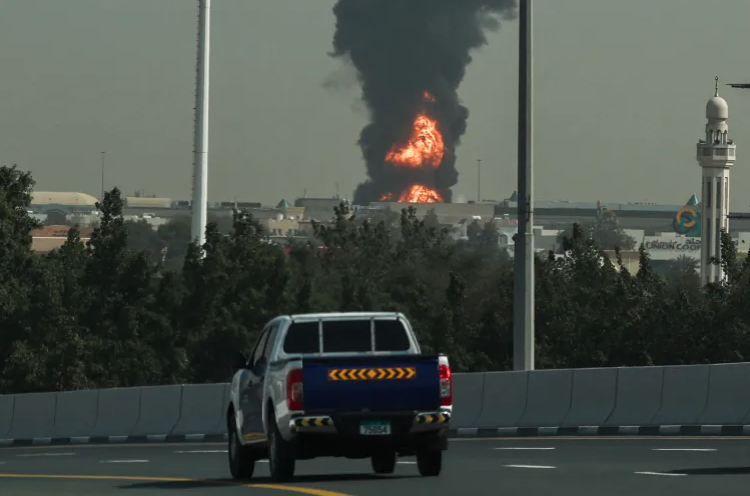
The United Arab Emirates has temporarily diverted flights from Dubai International Airport following a drone attack that sparked a fire near the facility, authorities confirmed on Monday. The Dubai Media Office said civil defence teams successfully contained the blaze, which affected a fuel tank near the airport, and no injuries were reported.
Some flights were rerouted to Al Maktoum International Airport, while the Dubai Civil Aviation Authority suspended flights as a precaution to ensure the safety of passengers and staff. The resumption time has not yet been announced.
Meanwhile, Abu Dhabi authorities responded to an incident in Al Bahyan where a missile struck a civilian vehicle, killing a Palestinian, according to the emirate’s media office.
The UAE also reported a drone-induced fire in Fujairah’s industrial zone, with civil defence teams working to control the blaze. This follows earlier incidents, including a fire at the Fujairah oil hub on Saturday after drone debris fell during an interception. Recent drone attacks have previously injured four people near Dubai airport.
Escalating Conflict in the Gulf
The attacks are part of a broader regional escalation following **Israel and US joint air strikes on Iran on February 28. Tehran has launched more than 1,800 drones and missiles at the UAE, targeting civilian infrastructure, airports, ports, and oil facilities, according to local reports.
Other Gulf countries, including Saudi Arabia, Qatar, Kuwait, and Bahrain, have reported intercepting drones and missiles amid the attacks. Saudi Arabia, for example, announced intercepting three waves of drones in the east, with a total of 23 destroyed in the latest wave.
The UAE, which normalized relations with Israel in 2020, has been the most heavily targeted Gulf state, despite its air defences successfully neutralizing the majority of incoming projectiles.
Diplomatic Responses
In a phone call on Monday, Sheikh Mohamed bin Zayed Al Nahyan, UAE president, and Mohammed bin Salman, Saudi crown prince, condemned what they called “sinful Iranian attacks” on Gulf Cooperation Council (GCC) countries, reaffirming their commitment to defending their territories.
The GCC, along with the United Kingdom and Jordan, issued a joint statement condemning the aggression and calling for de-escalation. Analysts say the attacks have prompted Gulf states to recalibrate foreign policies, questioning reliance on the United States as a long-term partner.
Civilian Toll and Infrastructure Damage
Iran has also suffered heavily from retaliatory strikes, with Tehran reportedly experiencing some of the strongest air raids so far, damaging clinics and aid facilities. Nearly 1,500 civilians have been killed in Iran since the conflict began, while over three million people have been displaced. Hospitals and health facilities across Iran have been severely impacted.
The escalation has disrupted travel, trade, and everyday life across the Gulf, raising concerns about a widening regional conflict and ongoing humanitarian consequences.
-
Trump Warns NATO’s Future at Risk if Allies Donâ...
US President Donald Trump warns NATO’s future could be “very bad” if allies fail to ...

-
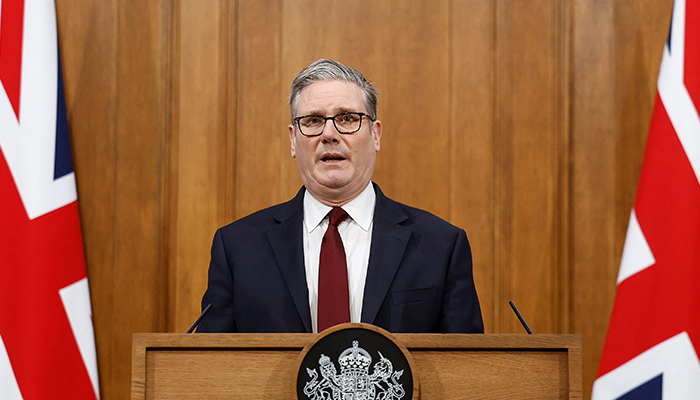
Keir Starmer Rules Out Wider War in Iran, Focuses ...
PM Keir Starmer says Britain will not enter a wider war in Iran but will work with allies ...
-
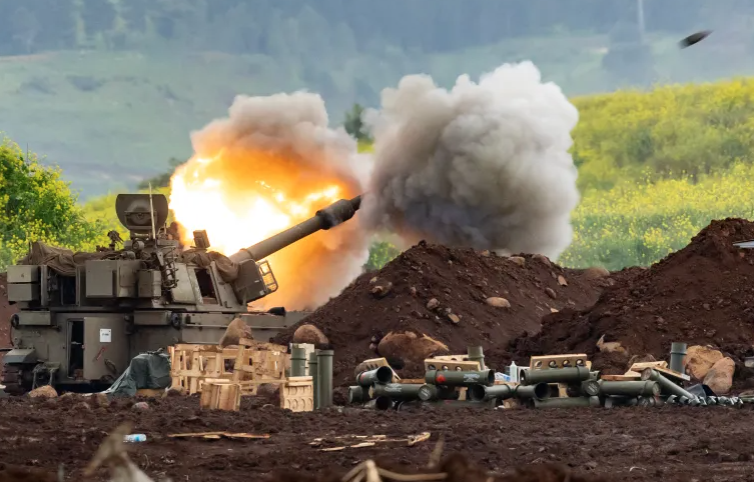
Israel Launches Ground Operations in Southern Leba...
Israel says its troops have begun limited ground operations in southern Lebanon near Khiam...
-
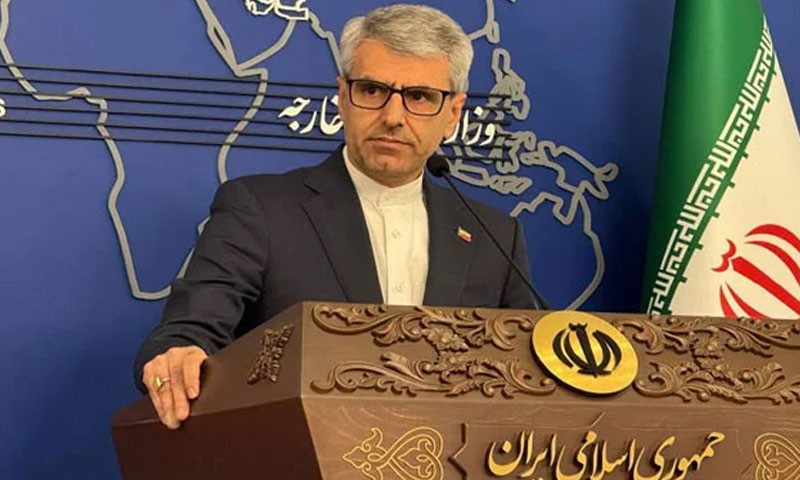
Iran Vows to Never Admit Defeat, Condemns US and I...
Iranian FM spokesperson Esmail Baghai says Iran will never surrender, calling US and Israe...
-
Trump Vows to Keep Strait of Hormuz Open, Warns of...
US President Trump warns Iran against closing the Strait of Hormuz, pledging military acti...