TRADE & ECONOMY

Detailed Report
-
Unanimous Assembly Approval: The Balochistan Assembly has officially approved the provincial budget for the upcoming financial year (FY) 2026–27, carrying a total fiscal outlay of Rs1,189 billion. The financial package successfully sailed through the provincial legislature on Sunday, June 21, 2026, after the house passed all 118 demands for grants presented by provincial Finance Minister Mir Shoaib Ahmed Nosherwani. Notably, the opposition factions chose not to move a single cut motion, allowing the entire budgetary framework to be adopted smoothly without parliamentary friction.
-
The Recurrent Outlay Split: The legislative house convened 40 minutes behind schedule under the chairmanship of Speaker Captain (retd) Abdul Khaliq Achakzai. Out of the gross fiscal allocations, the assembly greenlit Rs797.808 billion dedicated strictly to non-development expenditure via 53 distinctive demands for grants. Key non-development administrative and security disbursements include:
-
Provincial Security: Rs87.18 billion set aside for the Police and Balochistan Constabulary.
-
Healthcare Services: Rs86.77 billion approved for the provincial health sector.
-
Education Divide: Rs35.07 billion allocated for male school education, Rs29.72 billion for female school education, and Rs28.71 billion for colleges and higher technical education.
-
Pension & Local Administration: Rs100 billion for employees' retirement benefits and Rs41.38 billion for local government bodies.
-
-
Socio-Economic & Secondary Portfolios: Beyond the macro sectors, the assembly approved smaller, focused development portfolios to address climate, technological, and localized socioeconomic targets across the province. Science and Information Technology secured a notable Rs15.94 billion development allocation, followed closely by Irrigation at Rs12.75 billion, Planning and Development at Rs11.60 billion, and Public Health Engineering at Rs7.61 billion. The provincial Disaster Management Authority (PDMA) was allocated Rs1.72 billion to bolster climate and regional emergency response reserves.
-
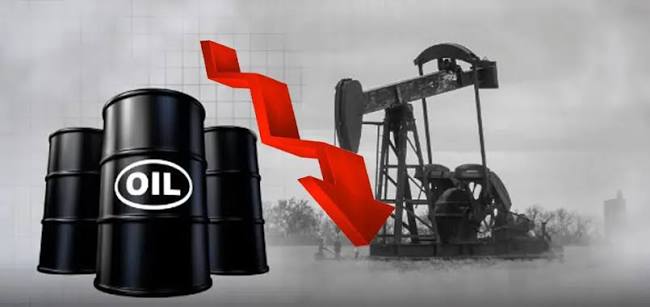
Global Oil Prices Drop 2% as U.S.-Iran Swiss Summi...
Global oil prices dropped over 2% on Monday, with Brent crude falling to $78.89 a barrel a...
-
Human Over Financial Capital: Lawmakers Urge Trans...
A cross-party panel of lawmakers and financial experts, convened by MNA Shaista Pervaiz, h...

-
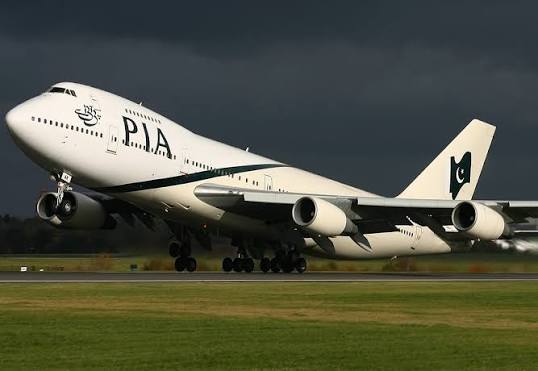
PIA Handover to New Owners Set for June Deadline A...
The privatization of PIA will be fully completed before the end of June 2026, transferring...
-
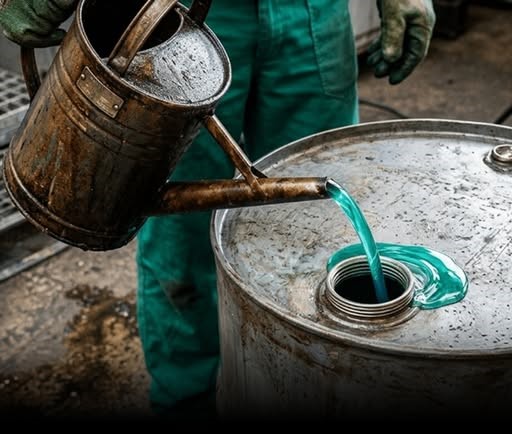
Relief for Consumers: Kerosene Oil Price Slashed b...
The federal government has slashed the price of kerosene oil by Rs48.29 per liter, bringin...
-
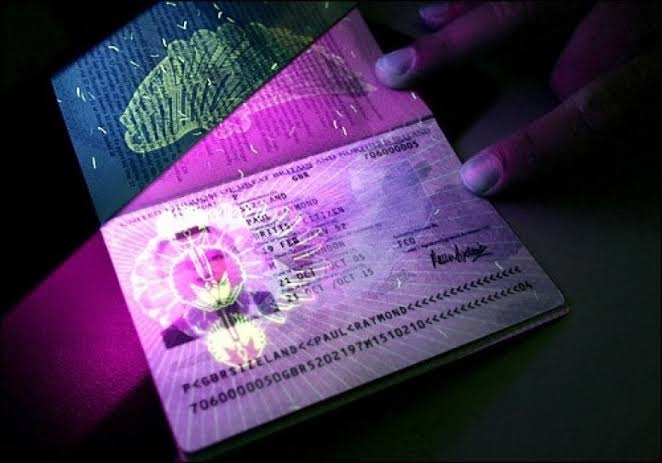
Pakistan Axing Machine-Readable Passports in Full ...
Pakistan is fully transitioning to biometric e-passports to eliminate identity fraud and a...