WORLD NEWS
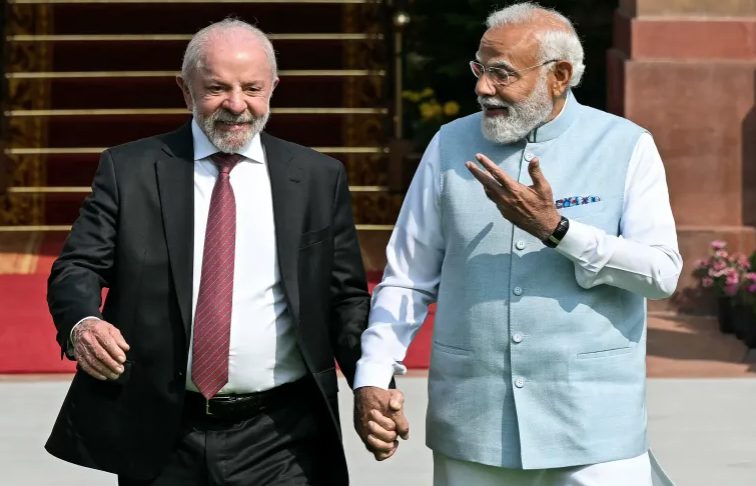
Brazil and India have signed a significant agreement to enhance cooperation on critical minerals and rare earths, as India seeks alternative suppliers to reduce its dependence on China.
The agreement was finalized during a meeting between Brazilian President Luiz Inacio Lula da Silva and Indian Prime Minister Narendra Modi in New Delhi on Saturday. The leaders also discussed expanding trade and investment opportunities between the two countries.
Modi called the deal a “major step towards building resilient supply chains,” highlighting the strategic importance of critical minerals and rare earths for India’s industrial growth.
China dominates the mining and processing of rare-earth and critical minerals and has recently tightened its export control, prompting countries like India and the United States to diversify their supply chains. Brazil, the world’s second-largest holder of critical minerals after China, offers resources that are vital for industries ranging from electric vehicles, solar panels, smartphones, jet engines, to guided missiles.
President Lula emphasized the role of renewable energy and critical minerals in the bilateral agreement. “Increasing investments and cooperation in matters of renewable energies and critical minerals is at the core of the pioneering agreement that we have signed today,” he said.
While the details of the mineral deal remain limited, Indian demand for Brazil’s iron ore has been growing steadily amid rapid infrastructure expansion and industrial development. Rishabh Jain, an expert at the New Delhi-based Council on Energy, Environment and Water, told AFP that India’s engagement with Brazil aligns with its broader strategy to diversify mineral supply chains, alongside partnerships with the US, France, and the EU.
Expanding Trade Relations
Alongside the critical minerals agreement, India and Brazil signed nine other memorandums of understanding covering digital cooperation, health, and other sectors. Modi highlighted Brazil as India’s “largest trading partner in Latin America” and set a target of taking bilateral trade beyond $20 billion in the next five years.
“Our trade is not just a figure, but a reflection of trust,” Modi said. “When India and Brazil work together, the voice of [the] Global South becomes stronger and more confident.”
Foreign Minister Subrahmanyam Jaishankar said he expects the talks to give “new momentum” to bilateral ties.
According to the Observatory of Economic Complexity (OEC) in 2024, Indian exports to Brazil totaled $7.23 billion, mainly in refined petroleum, while Brazilian exports to India reached $5.38 billion, with raw sugar being the leading export.
The agreement marks a key step in strengthening India-Brazil strategic ties, ensuring diversified access to critical resources, and promoting collaboration among Global South economies.
-
Trump Raises Global Tariffs to 15% After Supreme C...
After a Supreme Court setback, President Donald Trump hikes global import tariffs to 15% â...
-
US Ambassador to Israel Mike Huckabee Sparks Contr...
US Ambassador Mike Huckabee suggests Israel could expand to biblical borders, from the Nil...
-
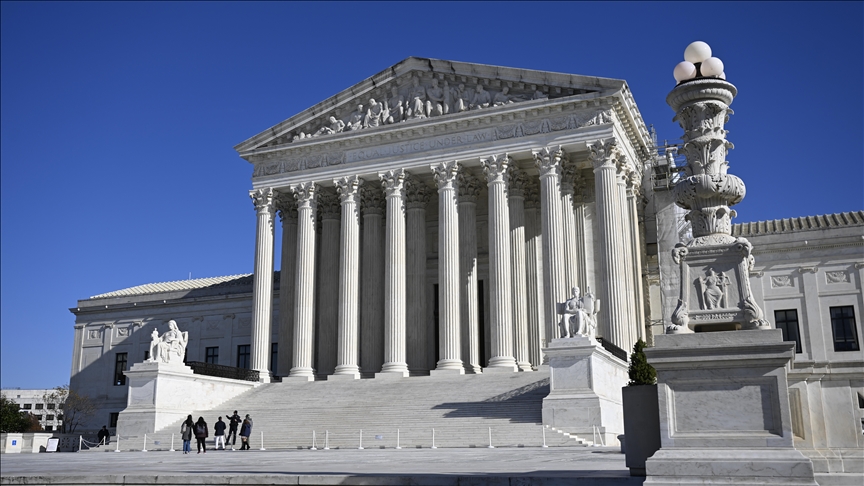
Supreme Court Strikes Down Trump’s Global Tariff...
The U.S. Supreme Court blocks former President Donald Trump’s sweeping global tariffs, r...
-
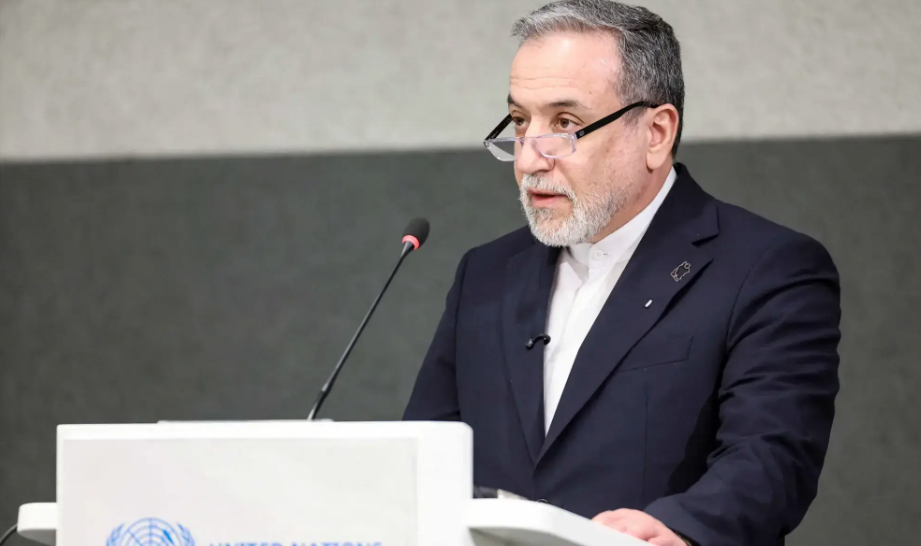
Iran to Submit Nuclear Deal Proposal to US Amid Tr...
Iran says it will present its nuclear deal draft to the US in coming days, disputing Trump...
-
Europe’s Leading Defence Powers Join Forces to D...
France, Germany, Italy, Poland & UK team up on €multi-million project to develop low-cos...