WORLD NEWS
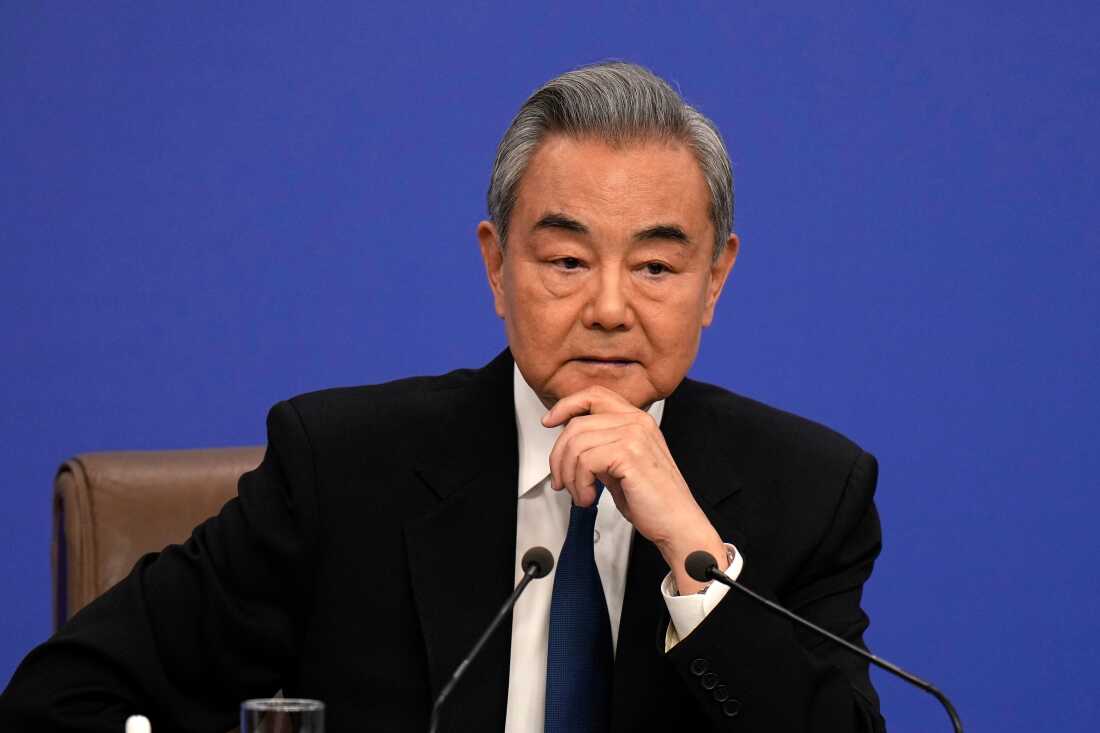
China has outlined a five-point framework to address the escalating Middle East conflict, with Foreign Minister Wang Yi calling for an immediate ceasefire, respect for sovereignty, and a return to political dialogue to prevent further regional instability.
Speaking at the Fourth Session of the 14th National People's Congress, Wang stressed that the ongoing war “does no one any good” and that military force alone cannot provide lasting solutions. He emphasized China’s objective and impartial stance, focusing on dialogue and cooperation as the way to restore peace.
China’s Five-Point Approach
- Respect National Sovereignty – The sovereignty, security, and territorial integrity of Iran and Gulf countries must be protected.
- Reject the Abuse of Force – Military might should not dictate outcomes; civilians must not suffer from armed conflict.
- Adhere to Non-Interference – Middle Eastern nations should determine their own future without outside intervention.
- Promote Political Settlement – Disputes should be resolved through dialogue and negotiation rather than confrontation.
- Encourage Constructive Role of Major Powers – Global powers should support stability instead of exacerbating tensions.
Wang highlighted that China is ready to cooperate with Middle Eastern nations under its Global Security Initiative, promoting dialogue, collective security, and conflict resolution.
China’s Broader Diplomatic Strategy
Beyond Iran, Wang outlined China’s global approach in a world facing geopolitical tensions, economic uncertainty, and regional conflicts. He emphasized China’s commitment to multilateral cooperation, opposing unilateralism, and promoting a “community with a shared future for humanity,” a framework championed by President Xi Jinping.
On relations with major powers, Wang described ties with the United States as crucial for global stability, advocating dialogue and cooperation over confrontation. China’s partnership with Russia was described as stable and resilient, emphasizing mutual respect and coordination in international affairs.
Wang also stressed the importance of regional cooperation in Asia, highlighting China’s role in economic growth, connectivity projects, and cultural exchanges through initiatives like the Belt and Road Initiative.
Concluding the press conference, Wang reiterated that peace and prosperity require cooperation, not confrontation, and that China will continue to act as a stabilizing force in a volatile global landscape.
-
Helicopter Crash in UAE Kills Two Armed Forces Per...
A UAE helicopter crashed due to a technical fault, killing two military personnel. The Min...
-
Oil Prices Spike 30% Amid Strait of Hormuz Closure...
Global crude oil surged 30% in a single day as the Strait of Hormuz closed, but G7 countri...

-
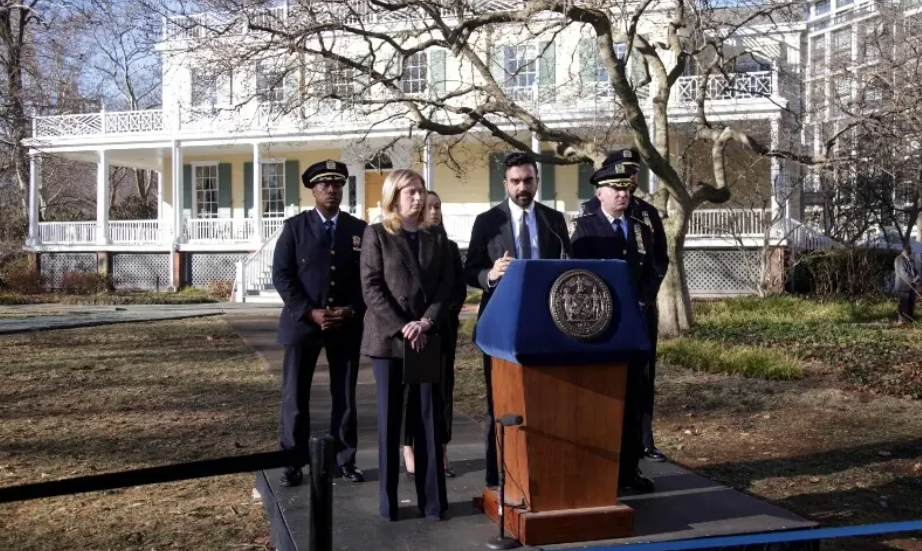
New York IED Incident Investigated as ISIS-Inspire...
Two men arrested after an IED thrown near NYC Mayor Zohran Mamdani’s residence is being ...
-
Gerry Adams Faces Lawsuit Over IRA Bombings in Bri...
Former Sinn Fein leader Gerry Adams appears in London court over a civil case linking him ...

-
Iranian Attacks Disrupt Gulf Oil, Fuel Prices Surg...
Iranian missiles and drones target Gulf countries; Bahrain declares force majeure, Saudi A...