WORLD NEWS
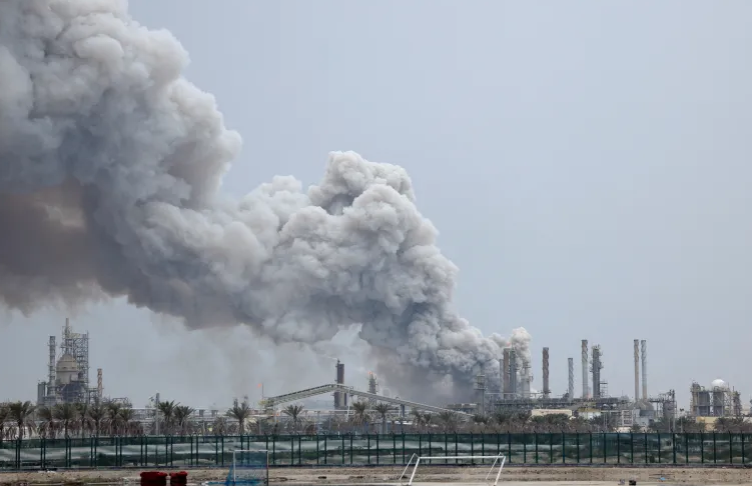
Crude oil prices in global markets skyrocketed by 30 percent in a single day due to the closure of the Strait of Hormuz and attacks on oil facilities in the region, raising concerns about the stability of global energy supplies.
During Monday trading, British crude oil Brent jumped by $21.25 to $119.50 per barrel, while American crude oil WTI rose by $21 to $119.48 per barrel, surpassing $100 per barrel for the first time since the COVID-19 pandemic.
The sudden surge prompted urgent coordination among the G7 countries, who indicated they could release emergency oil reserves to stabilize prices. A virtual meeting of the G7 finance ministers, chaired by France, discussed measures to mitigate the spike, including tapping the International Energy Agency (IEA) emergency reserves, though no formal decision was made yet.
The head of the IEA stated that member countries hold over 1.2 billion barrels of government reserves, with an additional 600 million barrels in industrial reserves. These reserves were previously used to stabilize markets following Russia’s invasion of Ukraine in 2022.
Following the announcement that emergency reserves could be deployed, prices began to retreat sharply. Brent, which had reached $119.50 per barrel, dropped to $98.69, while WTI declined to $95.65 per barrel.
Traders remain concerned about fuel supply disruptions due to the ongoing closure of the Strait of Hormuz off Iran’s southern coast. Approximately 20 percent of the world’s oil and large volumes of natural gas typically pass through the strait daily, making the disruption a major threat to global energy security.
French Finance Minister emphasized that there is currently no immediate fuel shortage in Europe or the United States, and all options are being considered to stabilize the market. The G7 continues to monitor the situation closely, with the possibility of releasing emergency reserves if needed.
The incident underscores the geopolitical sensitivity of Persian Gulf energy routes and the potential global impact of regional conflicts on oil and gas prices.
-
Helicopter Crash in UAE Kills Two Armed Forces Per...
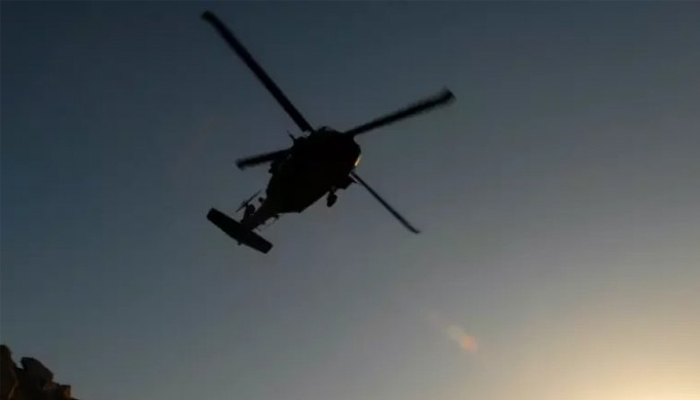
A UAE helicopter crashed due to a technical fault, killing two military personnel. The Min...
-
New York IED Incident Investigated as ISIS-Inspire...
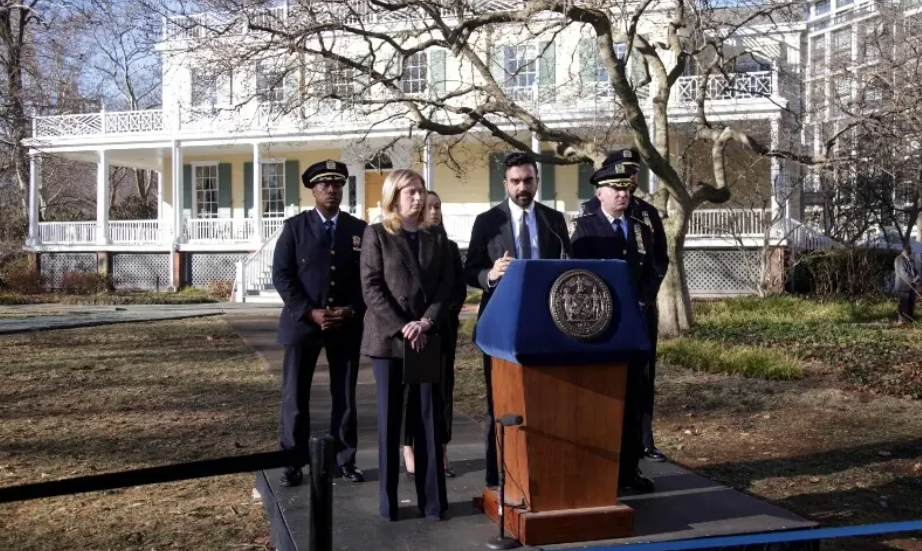
Two men arrested after an IED thrown near NYC Mayor Zohran Mamdani’s residence is being ...
-
China Proposes Five-Point Plan to Resolve Middle E...
China urges ceasefire in the Middle East, calls for respect for sovereignty, non-interfere...
-
Gerry Adams Faces Lawsuit Over IRA Bombings in Bri...
Former Sinn Fein leader Gerry Adams appears in London court over a civil case linking him ...

-
Iranian Attacks Disrupt Gulf Oil, Fuel Prices Surg...
Iranian missiles and drones target Gulf countries; Bahrain declares force majeure, Saudi A...