TRADE & ECONOMY
The International Monetary Fund (IMF) has reached a staff-level agreement (SLA) with Pakistan for the disbursement of approximately $1.2 billion, marking a significant step forward under the country’s ongoing economic reform program.
The agreement follows the successful completion of the third review under Pakistan’s Extended Fund Facility (EFF) and the second review under the Resilience and Sustainability Facility (RSF). The development is subject to final approval by the IMF Executive Board.
According to the IMF, Pakistan is expected to receive about $1.0 billion under the EFF and an additional $210 million through the RSF. This would bring total disbursements under the two arrangements to roughly $4.5 billion.
The Fund acknowledged that Pakistan’s economic program remains broadly on track, with key policy measures aligned toward strengthening public finances, controlling inflation, and advancing structural reforms. It also endorsed the country’s fuel pricing strategy, particularly in the context of ongoing volatility stemming from the Middle East crisis.
IMF Mission Chief Iva Petrova noted that Pakistan’s economy has shown resilience, with economic activity gaining momentum following recovery in FY25. Inflation and the current account balance have remained under control, while external buffers have improved.
However, the IMF cautioned that geopolitical tensions in the Middle East pose risks to the economic outlook. Rising energy prices and tighter global financial conditions could increase inflationary pressures and impact economic growth.
The Pakistani authorities have reiterated their commitment to maintaining prudent macroeconomic policies to sustain recent gains. Key priorities include achieving a primary fiscal surplus of 1.6% of GDP in FY26 and targeting 2% in FY27, alongside efforts to broaden the tax base and ensure fiscal discipline.
Reforms in tax administration are already underway, with the Federal Board of Revenue (FBR) implementing digital invoicing systems, improving audit mechanisms, and strengthening governance. A newly established Tax Policy Office is also working on a medium-term reform strategy to ensure stability and efficiency in tax policies.
The IMF emphasized the importance of social protection measures, particularly through the Benazir Income Support Program (BISP), which is being expanded to support vulnerable populations affected by rising food and fuel prices. Enhancements include inflation-adjusted cash transfers, broader coverage, and improved payment systems.
On the monetary front, the State Bank of Pakistan (SBP) remains committed to maintaining inflation within its target range and is prepared to adjust interest rates if necessary. Exchange rate flexibility will continue to act as a key buffer against external shocks.
The energy sector remains a critical focus area, with the government aiming to eliminate circular debt and ensure financial sustainability. Measures include timely tariff adjustments, reducing subsidies, improving efficiency, and transitioning toward renewable energy sources.
Additionally, Pakistan is advancing structural reforms to boost governance, reduce regulatory burdens, and promote private sector growth. Efforts to privatize state-owned enterprises and reduce government intervention in markets are also underway.
Climate resilience remains a central pillar of the reform agenda under the RSF. The government is implementing policies to strengthen water systems, improve disaster risk management, and align energy reforms with environmental goals.
The IMF concluded by appreciating the cooperation of Pakistani authorities, the private sector, and development partners during discussions held in Karachi and Islamabad, as well as through virtual engagements.
-
Pakistan Grants Temporary Trade Exemptions for Exp...
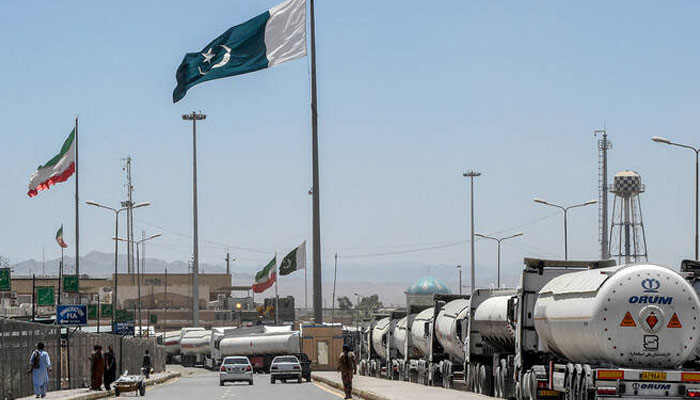
Pakistan allows exports via Iran and Central Asia without bank guarantees or LCs for 3 mon...
-
Govt Plans Petrol Subsidy for Motorcycles, Ricksha...
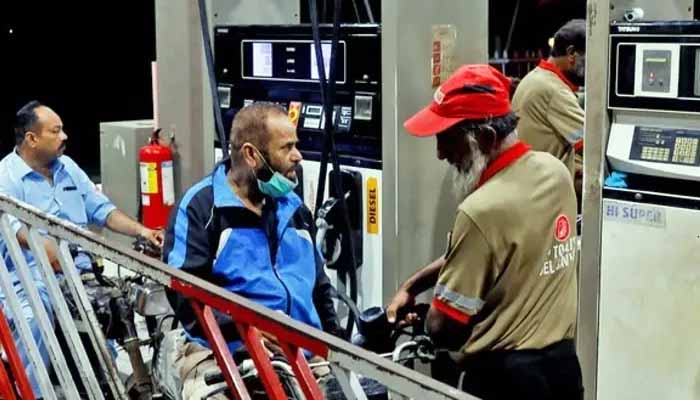
Pakistan govt plans targeted petrol subsidy for bikes & rickshaws with QR code system; fin...
-
World Bank set to provide $10.7bn loan for Pakista...
Pakistan likely to receive $10.7bn from World Bank for a major energy project, supported b...
-
FPCCI warns against threats to Pakistan’s EU GSP...
FPCCI slams statements against Pakistan’s GSP+ status, calls it vital for exports, jobs,...
-
Yousuf Raza Gilani approves Rs265m surrender to na...
Senate Chairman Yousuf Raza Gilani approves surrender of Rs265m to support govt austerity ...