WORLD NEWS
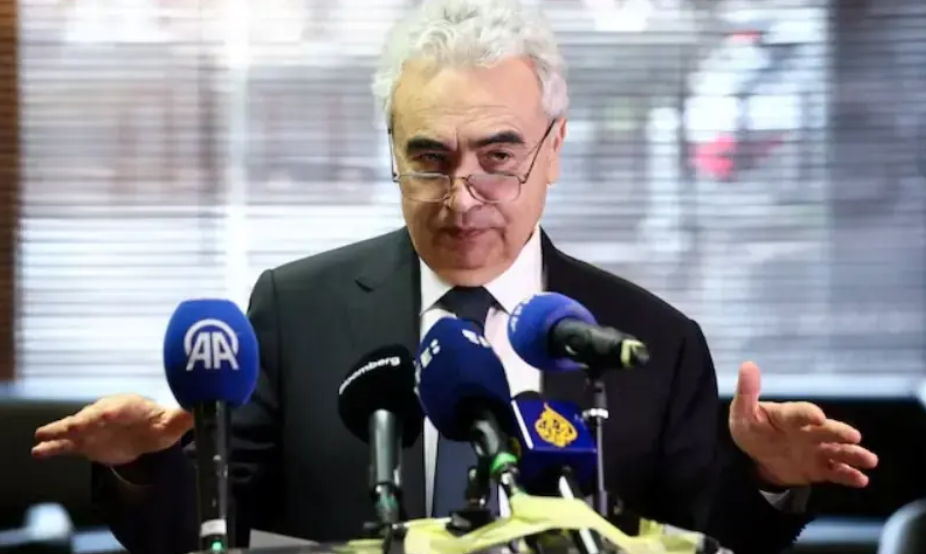
The ongoing Middle East war, now entering its fourth week, is threatening to trigger a global energy crisis surpassing the combined impact of the 1970s oil shocks, according to the head of the International Energy Agency, Fatih Birol.
Birol warned on Monday that at least 40 energy assets across the region have already been severely damaged, driving oil prices above $100 per barrel amid fears of continued supply disruption. “No country will be immune to the effects of this crisis if it continues to go in this direction,” he said.
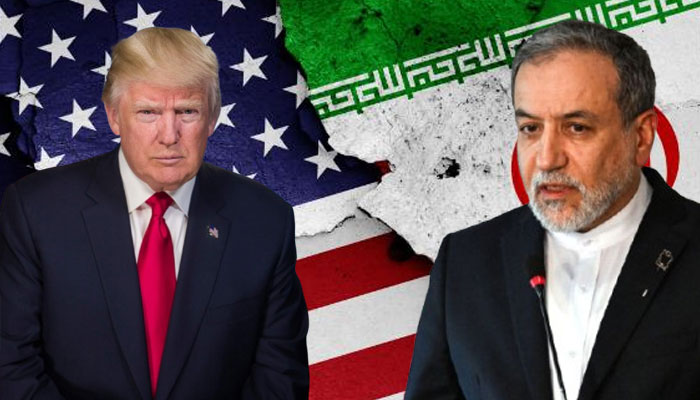
The conflict intensified as Donald Trump issued a 48-hour ultimatum for Iran to reopen the Strait of Hormuz, threatening to “obliterate” Iranian power plants if the demand was not met. Tehran has responded by throttling traffic in the waterway, hitting energy sites and US embassies, and launching missiles and drones at Israel.
Iranian parliament speaker Mohammad Bagher Ghalibaf vowed that vital infrastructure across the region would be “irreversibly destroyed” if the US acted on its threats.
Israel has launched fresh strikes on Tehran and expanded its ground operations against Hezbollah in Lebanon, warning of “weeks of fighting” ahead. A recent missile landed near Dimona, close to Israel’s desert nuclear facility, injuring dozens, highlighting the failure of air defenses to intercept all attacks.
The violence in Lebanon has already claimed over 1,000 lives and displaced more than a million people, according to the Lebanese health ministry.
The conflict has sent global energy markets into turmoil. Brent crude briefly surged above $100 per barrel, while US WTI crude fell to $88.80 before recovering. Supply disruptions have even prompted a Cambodian energy supplier to halt sales of liquefied petroleum gas.
China’s foreign ministry warned that continued fighting could create an “uncontrollable situation” in the Middle East, highlighting the global risks of the conflict.
The human toll in Iran has risen sharply, with at least 3,230 deaths reported, including 1,406 civilians, according to the US-based Human Rights Activists News Agency. Independent verification on the ground has been limited due to the intensity of ongoing strikes.
Analysts warn that unless hostilities are de-escalated, the war will continue to exacerbate energy shortages, drive up inflation, and disrupt global economic growth.
-
Starmer Denies Iran Threat to UK, Calls for Calm o...
PM Keir Starmer says Britain is not a target of Iran amid Middle East tensions, stresses c...
-
Indonesia Refuses $1 Billion Contribution to Gaza ...
Indonesian President Prabowo Subianto says Jakarta will provide peacekeeping forces in Gaz...
-
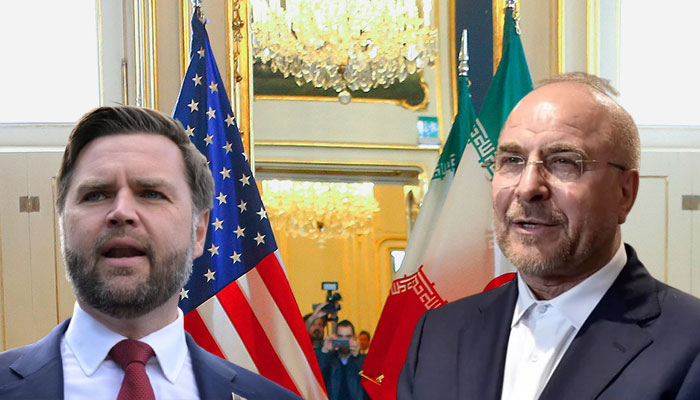
Reports Suggest Potential US-Iran Meeting in Islam...
Israeli media reports a possible US-Iran meeting in Islamabad this weekend as officials se...
-
Israeli Finance Minister Calls for Annexation of S...
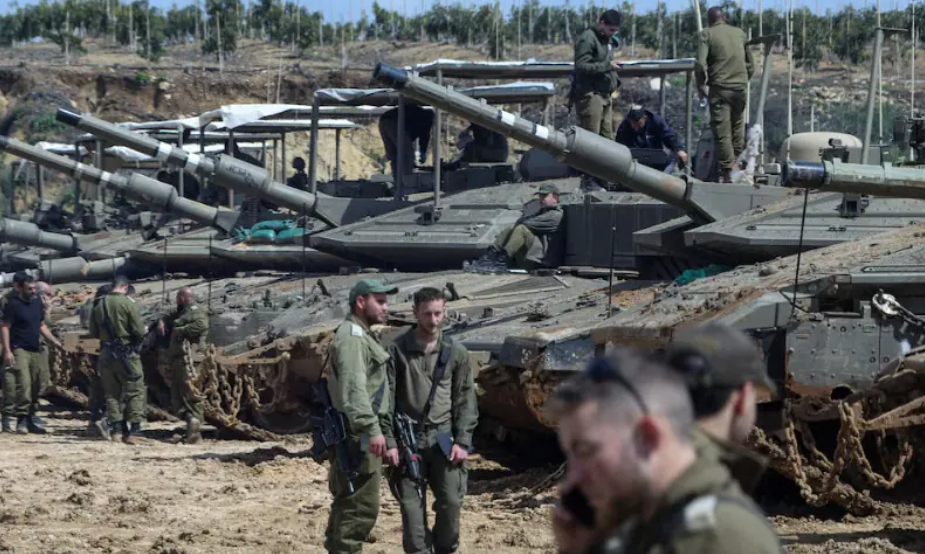
Israel’s Bezalel Smotrich urges borders be pushed to the Litani River as airstrikes dest...
-
Iran Denies Talks with US, Calls Trump’s Stateme...
Iran rejects Trump’s claims of Middle East talks, saying his statements aim to lower ene...