TRADE & ECONOMY
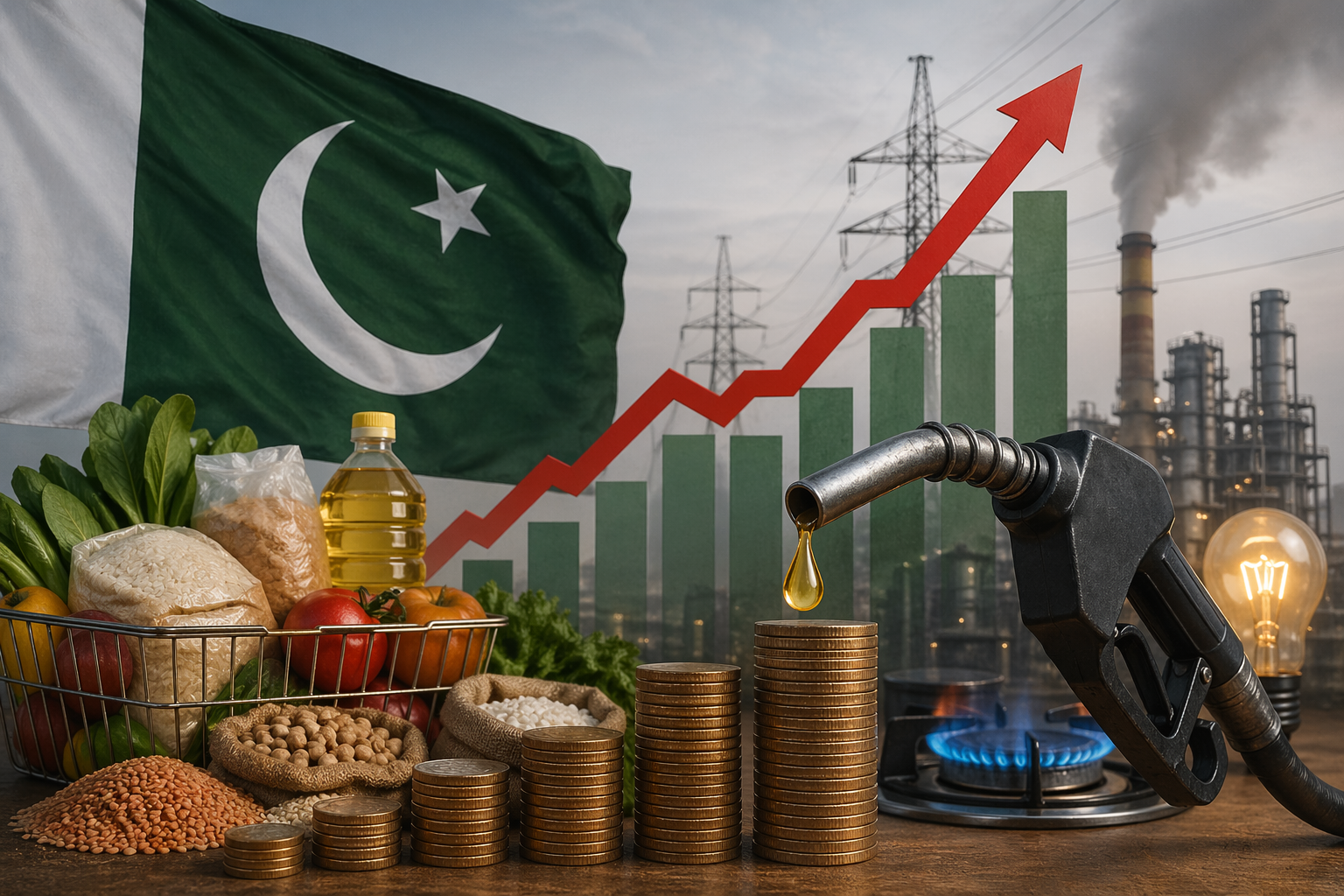
Inflation in Pakistan has climbed back into double digits for the first time in 21 months, signaling renewed economic pressure on households and policymakers.
According to official data, the increase in inflation is largely driven by rising prices of essential commodities, including food items, fuel, and electricity. The surge has significantly impacted the cost of living, making it harder for ordinary citizens to manage daily expenses.
Economic experts suggest that factors such as currency fluctuations, higher global commodity prices, and adjustments in energy tariffs have contributed to the recent spike. The situation has raised concerns about the country’s economic stability and the effectiveness of ongoing financial reforms.
The return of double-digit inflation is particularly alarming as it reverses a period of relative stability seen over the past year and a half. Analysts warn that if inflation continues to rise, it could slow economic growth and increase financial hardship for low- and middle-income groups.
Government officials have acknowledged the situation and stated that measures are being considered to control inflation, stabilize prices, and provide relief to the public. However, economists emphasize the need for long-term structural reforms to ensure sustainable economic recovery.
The development is being closely monitored by financial institutions and policymakers, as controlling inflation remains a key challenge for the country’s economic future.
-
Revelation: Rs153 Collected in Taxes and Profit on...
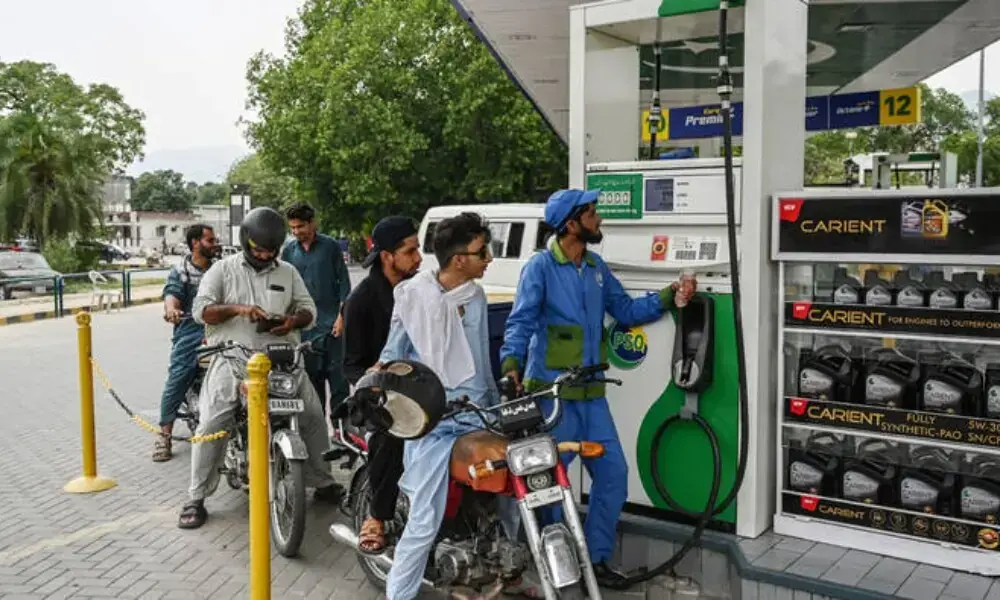
It has been revealed that taxes and profit margins on petroleum products in Pakistan are s...
-
Oil Prices Hit Four-Year High as Trump Signals Pro...
Global oil prices surged to their highest level in four years after US President Donald Tr...
-
PM Shehbaz Launches Rs10 Million Housing Loans Und...
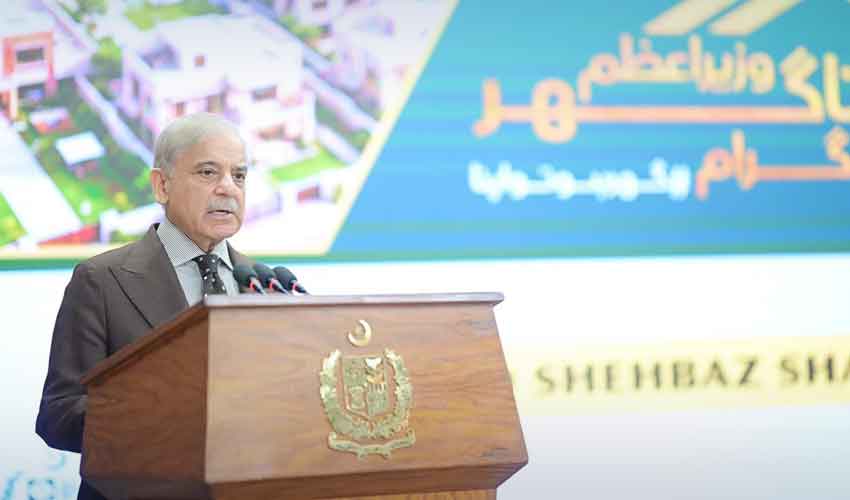
PM Shehbaz Sharif launches Apna Ghar housing scheme offering loans up to Rs10 million to p...
-
Pakistan Restores 18% GST on Sugar, Prices Likely ...
Pakistan government has reinstated 18% GST on sugar, raising concerns over further increas...
-
Pakistan’s Weekly Oil Import Bill Surges to $800...
Pakistan’s weekly petroleum import cost has jumped to $800 million, as rising global oil...