POLITICS & POLICY MAKING
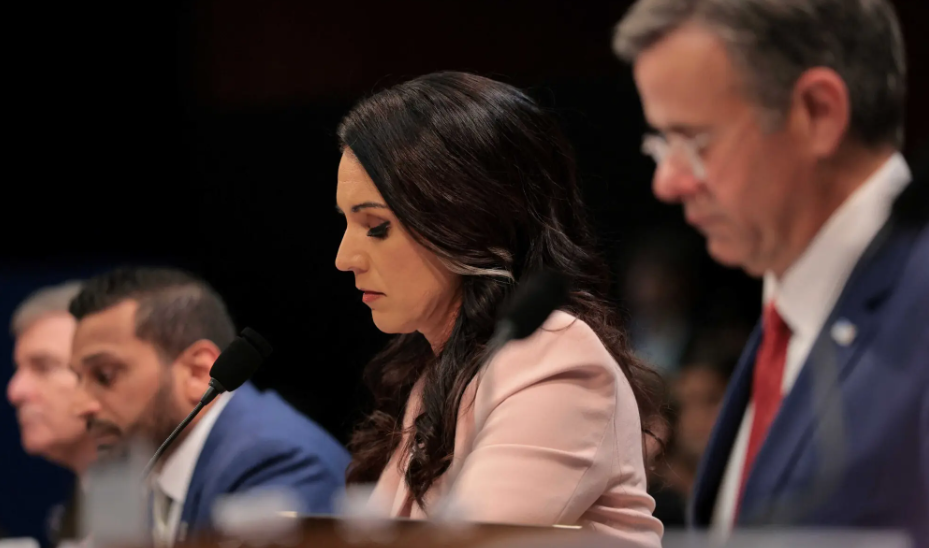
Pakistan on Thursday firmly rejected remarks by Tulsi Gabbard, who had warned that the country’s evolving missile capabilities could potentially pose a threat to the United States.
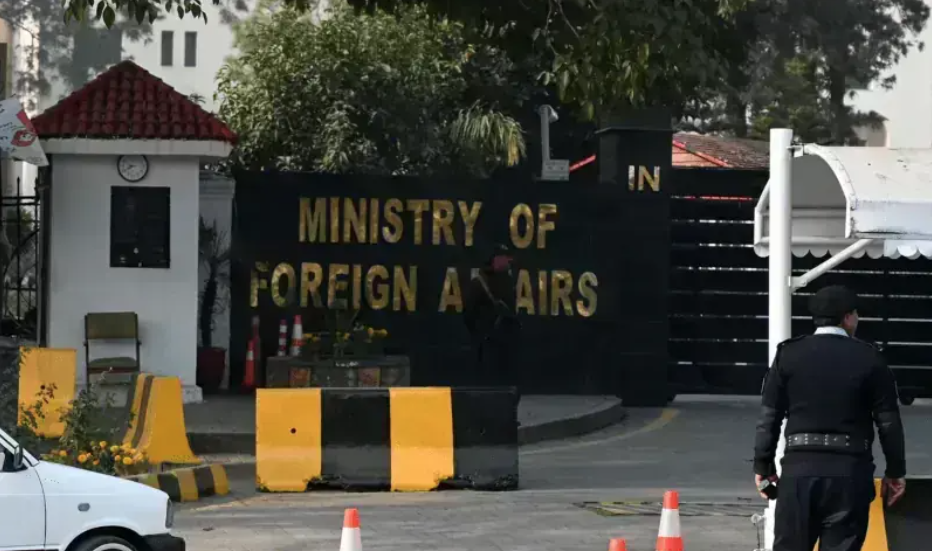
In a statement, Foreign Office spokesperson Tahir Hussain Andrabi termed the assertion “baseless” and reiterated that Pakistan’s strategic capabilities are purely defensive in nature.
“Pakistan categorically rejects the recent assertion by a United States official alleging a potential threat from Pakistan’s missile capabilities,” Andrabi said, emphasizing that the country’s missile programme is designed solely to safeguard national sovereignty and maintain peace and stability in South Asia.
He added that Pakistan’s missile range remains well below intercontinental levels and is guided by the principle of “credible minimum deterrence,” particularly in the context of regional security dynamics with India.
The spokesperson contrasted Pakistan’s capabilities with those of India, noting that New Delhi’s development of missiles with ranges exceeding 12,000 kilometres raises broader concerns beyond the region.
Pakistan also reaffirmed its commitment to constructive engagement with the United States, calling for a balanced and fact-based approach that promotes regional peace and stability.
Earlier, former caretaker foreign minister Jalil Abbas Jilani also dismissed the US claims, stating that the suggestion that Pakistan could strike the US homeland was not grounded in strategic reality. He reiterated that Pakistan’s nuclear doctrine remains India-specific and focused on deterrence rather than global power projection.
The controversy stems from remarks made by Gabbard during her presentation of the 2026 Annual Threat Assessment before the US Senate Intelligence Committee. She had listed Pakistan among countries, alongside Russia, China, North Korea, and Iran, that are developing advanced missile systems capable of carrying nuclear and conventional payloads.
Gabbard warned that such advancements could expand missile threats to the US in the coming decade, with projections suggesting a significant increase in global missile capabilities by 2035.
Analysts view Pakistan’s inclusion in the report as part of a continuing US policy trend. Similar concerns were raised in late 2024, when Washington imposed sanctions on entities linked to Pakistan’s ballistic missile programme, citing proliferation risks.
Despite these concerns, Pakistani officials maintain that the country’s strategic posture remains responsible and focused on regional deterrence rather than posing any threat beyond South Asia.
-
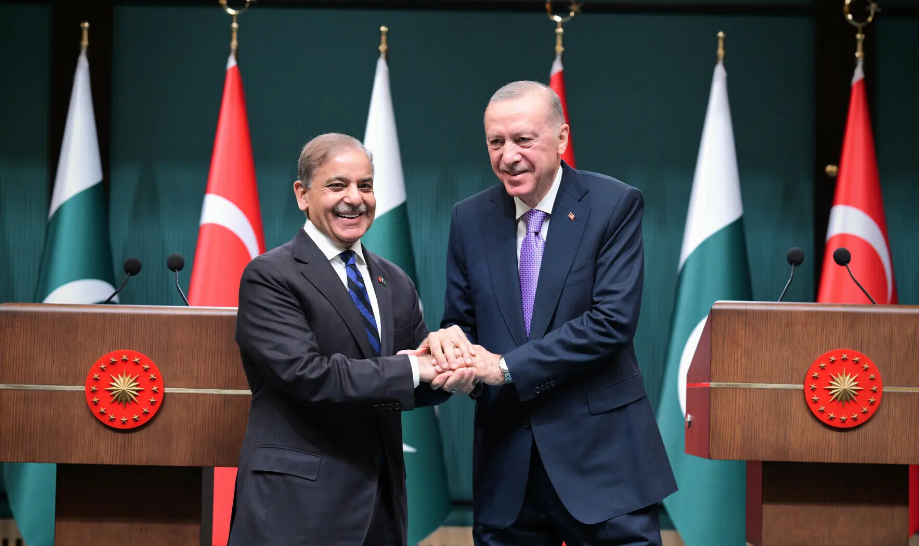
PM Shehbaz Acknowledges Turkiye’s Role in Pakist...
PM Shehbaz Sharif praises Turkiye’s constructive role in promoting peace between Pakista...
-
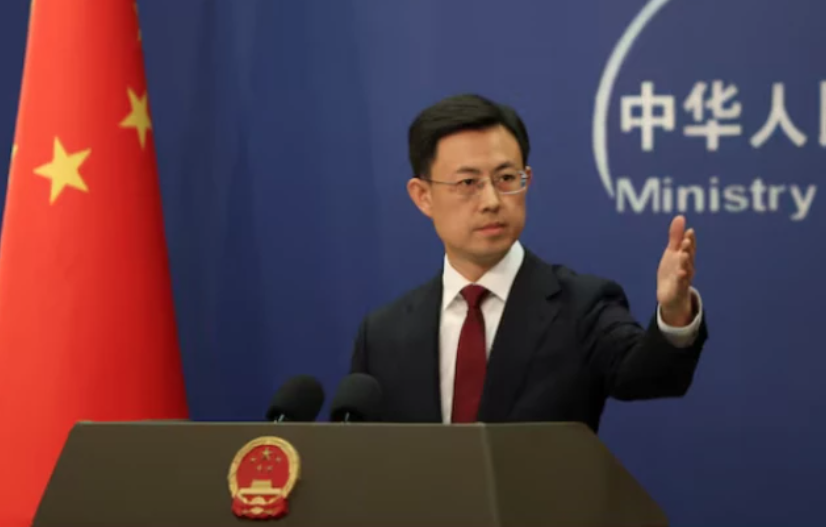
China Welcomes Pakistan-Afghanistan Ceasefire, Con...
China praises temporary ceasefire between Pakistan and Afghanistan, condemns killing of Ir...
-
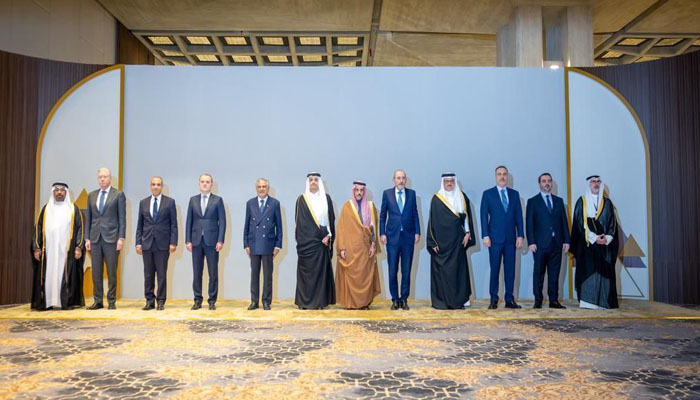
Islamic Nations Urge Iran to Halt Attacks, Warn of...
Islamic countries demand Iran immediately stop attacks on neighbors, warning of rising ten...
-
Jemima Alleges Visa Delay Tactics to Deny ‘Briti...
Jemima Goldsmith accuses govt of delaying visas for Imran Khan’s sons, claiming Nicop tr...

-
Pakistan Rejects India’s Criticism Over Strikes ...
Pakistan dismisses India’s “baseless” claims over Kabul airstrikes. FO: strikes hit ...