TRADE & ECONOMY
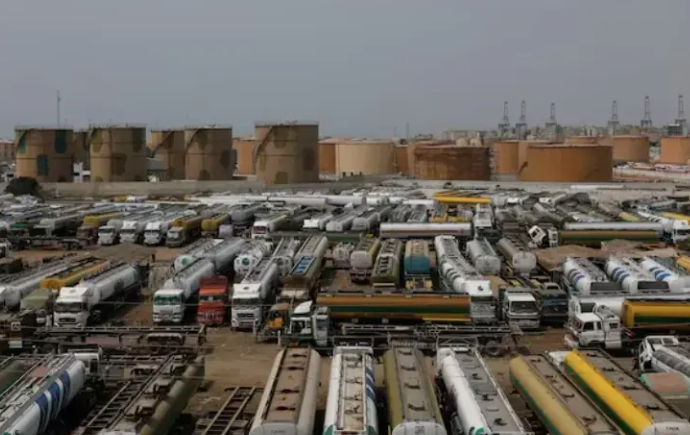
Pakistan has formally approached Saudi Arabia to provide an alternative oil supply route through the Red Sea port of Yanbu following the closure of the Strait of Hormuz amid escalating regional tensions triggered by a United States-Israel attack on Iran.
The request was made on Wednesday by Federal Minister for Petroleum Ali Pervaiz Malik during a meeting with Saudi Ambassador to Pakistan Nawaf bin Said Al-Malki, according to a statement issued by the Petroleum Division.
During the meeting, both sides discussed bilateral cooperation and reviewed the evolving regional situation. The petroleum minister briefed the ambassador on the potential impact of the strait’s closure on global energy markets, noting that a significant portion of Pakistan’s energy imports transit through the strategic waterway.
Malik stated that the government is closely monitoring developments on a daily basis to safeguard national energy interests. He emphasised that Islamabad is taking proactive steps to ensure continuity of fuel supplies and mitigate any potential disruptions to the country’s energy supply chain.
Highlighting the importance of Saudi support during challenging times, the minister said Saudi authorities had assured the security and availability of oil supplies through Yanbu, located on the Red Sea coast. He confirmed that one vessel had already been arranged to dispatch from Pakistan to Yanbu to lift crude oil supplies.
The minister also expressed hope that oil shipments from Yanbu would be prioritised for Pakistan to help stabilise domestic fuel availability if disruptions persist in the Gulf region.
Ambassador Al-Malki reaffirmed Riyadh’s full support, stating that the Kingdom stands firmly with Pakistan to meet emergency energy requirements. He underscored the longstanding brotherly ties between the two nations and reiterated Saudi Arabia’s commitment to assisting Pakistan during testing times.
Meanwhile, the government has decided to continue passing on the impact of rising global oil prices to domestic consumers under the existing fortnightly price adjustment mechanism to avoid additional fiscal pressure.
The decision was reviewed during a meeting of an 18-member cabinet committee formed to assess the implications of the Strait of Hormuz closure. Officials reported that there was no immediate emergency, noting that Saudi supplies of refined petroleum products could be rerouted via the Red Sea, while imports from the UAE through Fujairah remain outside the affected route.
However, the committee warned that a prolonged disruption could have significant consequences for Pakistan’s energy security. It added that clearer cost trends would emerge once trading resumes in the London market later this week, after which further policy decisions may be considered.
Authorities have confirmed that the cabinet committee will continue to meet regularly to monitor developments and ensure uninterrupted fuel supplies amid ongoing regional uncertainty.
-
Electricity Rates Hiked Nationwide by Rs 1.63 per ...
NEPRA raises electricity prices by Rs 1.63/unit under January fuel price adjustment. Lifel...

-
UAE Rolls Over $2B Loan to Pakistan, SBP Governor ...
SBP Governor Jameel Ahmad says UAE loan of $2B to Pakistan now on monthly rollover, not re...

-
Finance Minister Warns on Fuel Stocks as Iran War ...
Finance Minister Muhammad Aurangzeb says no fuel shortage in Pakistan but urges conservati...

-
Flour Prices Rise Again in Peshawar Ahead of Ramad...
Flour prices in Peshawar have increased: 20kg mixed flour is now Rs 2,500 and fine flour R...

-
Pakistan’s Inflation Rises to 7% in February Aft...
Pakistan’s monthly inflation hits 7% in February 2026, up from 5.8% in January. Rural ar...