POLITICS & POLICY MAKING
Detailed Report
-
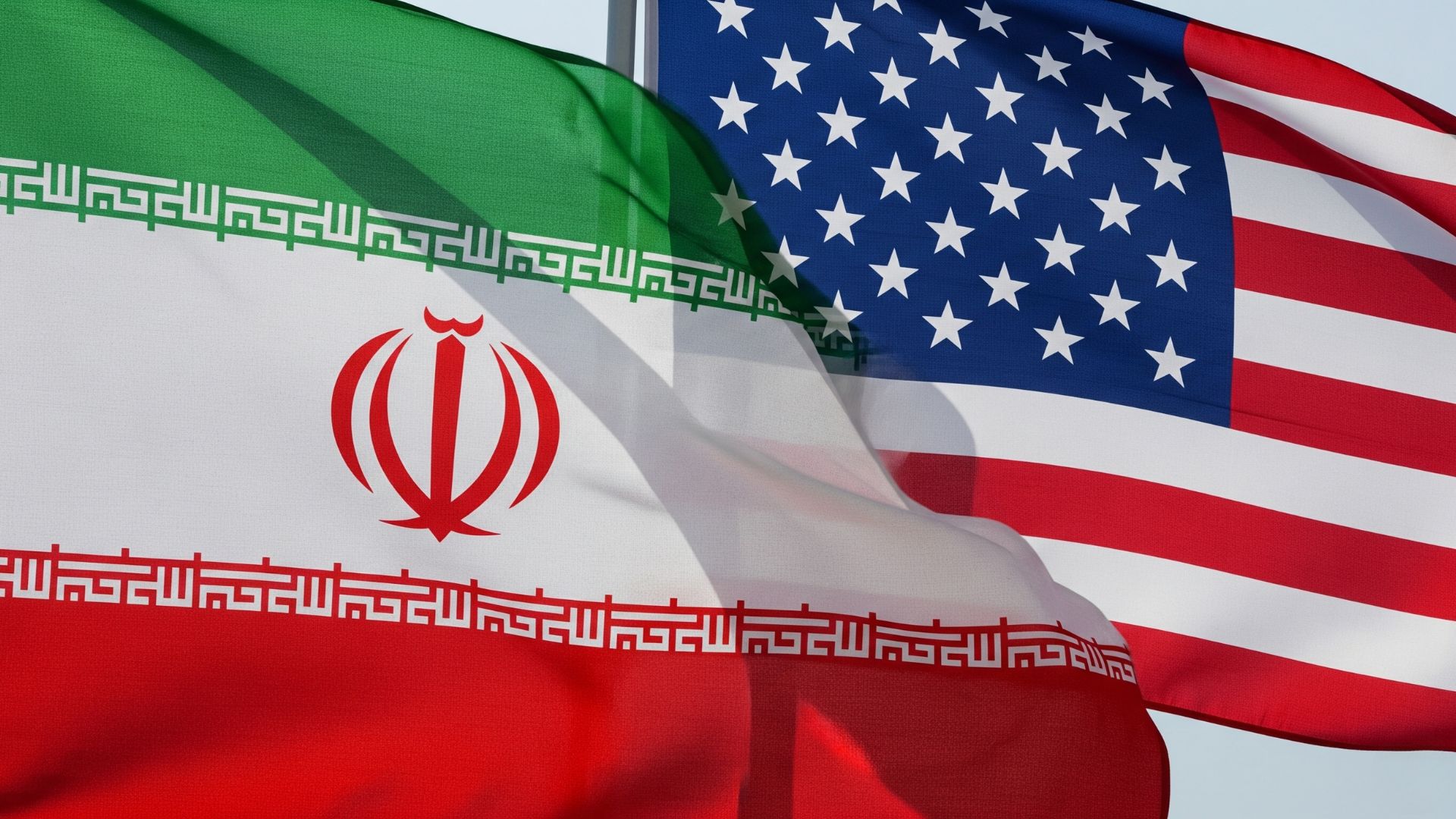
The Truce Fracture: The fragile, newly brokered Middle East ceasefire suffered a severe blow on Friday, June 26, 2026, after the United States and Iran traded direct military strikes. The escalation triggered widespread global alarm, threatening to unravel the nascent peace roadmap finalized just days ago at the Swiss mountain resort of Buergenstock following a destructive three-month war.
-
U.S. Bombing and Iranian Retaliation: U.S. Central Command (CENTCOM) confirmed it launched localized airstrikes targeting Iranian coastal radar installations and specialized missile and drone storage repositories. Washington justified the intervention as a direct kinetic response to an unprovoked Iranian drone strike on a commercial cargo ship transiting the Strait of Hormuz on Thursday.
-
The White House Stance: U.S. President Donald Trump publicly condemned the maritime assault, labeling it a "foolish violation" of the bilateral accord, while Vice President JD Vance issued an explicit warning on X stating that "violence will be met with violence."
-
The Iranian Response: Hours later, on Saturday morning, Iran’s Islamic Revolutionary Guard Corps (IRGC) retaliated by targeting American military positions in the Gulf region. Ground reports confirmed a major projectile impact at the Taherouyeh pier in the southern port city of Sirik, with the IRGC warning of a far broader response if Western aggression is repeated.
-
-
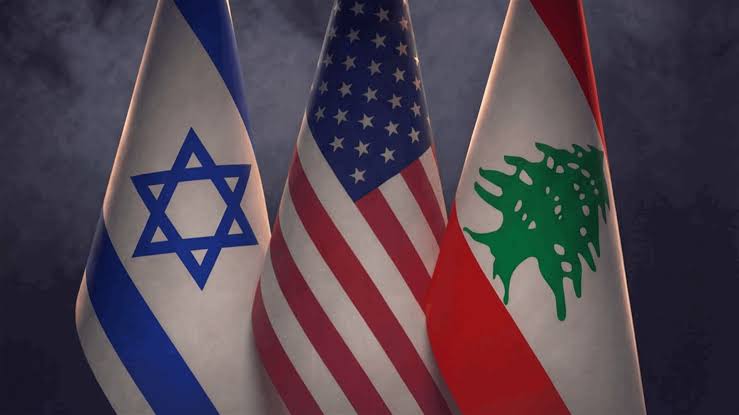
The Separate Lebanon Framework Discord: Parallel to the U.S.-Iran friction, a diplomatic rift erupted over a separate trilateral peace framework signed in Washington by U.S. Secretary of State Marco Rubio alongside Israeli and Lebanese envoys. The unreleased accord allows the official Lebanese Army to return to two "pilot zones" in southern Lebanon. However, Israeli Prime Minister Benjamin Netanyahu hailed the framework as a direct defeat for Tehran, asserting that Israeli forces will maintain their restrictive security zone and block displaced civilians from returning until Hezbollah is completely disarmed.
-
Civil War Warnings in Beirut: The Washington framework sparked immediate fury from Iran-backed Hezbollah, which argues that the Lebanese front cannot be severed from the broader U.S.-Iran peace dossier. Massive protests erupted across Beirut, with Hezbollah MP Hassan Fadlallah warning that the Lebanese government is attempting to undercut the regional truce. Fadlallah issued a grim ultimatum, stating that Beirut would be entirely unable to enforce the U.S.-backed terms on the ground "unless they go, with American support, to civil war."
-
The Nuclear Verification Sticking Point: Looming over the entire military conflict is the unresolved question of international atomic oversight. International Atomic Energy Agency (IAEA) Director General Rafael Grossi warned that any final treaty must include bulletproof, binding verification safeguards. While Iran claims its nuclear program is entirely peaceful, the interim Buergenstock text stipulates that Tehran's pre-war stockpile of 440 kilograms of 60% enriched uranium must be completely downblended under direct, verifiable IAEA supervision—a mandate that remains heavily contested by Iranian diplomats.
-
Israel, Lebanon, and U.S. Sign Landmark Trilateral...
U.S. Secretary of State Marco Rubio oversaw the signing of a landmark trilateral framework...
-
U.S. Enacts 60-Day Iran Sanctions Waiver as Trump ...
The U.S. has issued a 60-day sanctions waiver allowing Iran to sell oil, following breakth...
-
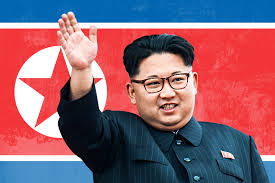
'Denuclearization Off the Table': Kim Jong Un Vows...
North Korean leader Kim Jong Un announced at a Workers' Party Central Committee meeting th...
-
Iranian President Pezeshkian Arrives in Pakistan T...
Iranian President Masoud Pezeshkian arrives in Pakistan today on an official visit to revi...

-
'No Return to Pre-War Status': Ghalibaf Asserts Ir...
Iran’s chief negotiator Mohammad Bagher Ghalibaf has announced that the Strait of Hormuz...