WORLD NEWS
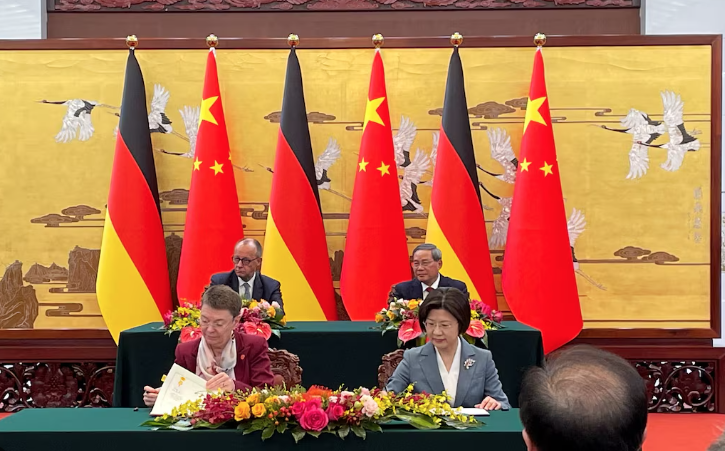
German Chancellor Friedrich Merz began his first official visit to China on Wednesday, urging Chinese firms to increase investment in Germany while calling on Beijing to reduce market distortions that disadvantage European businesses. The visit aims to reset relations between the world’s second- and third-largest economies amid rising trade imbalances and global economic uncertainty.
Speaking to President Xi Jinping, Merz emphasised Germany’s desire to deepen economic cooperation with China, the country’s largest trading partner last year. “There are challenges, which we should talk about today, but the framework in which we operate is exceptionally good and we have worked together very well over the past decades,” he said.
President Xi welcomed Merz’s remarks, stressing the importance of strengthening strategic communication and mutual trust in an increasingly turbulent global environment. “The more turbulent and intertwined the world becomes, the more China and Germany need to strengthen strategic communication and enhance strategic mutual trust,” he said.
Calls for Fair Trade
During a meeting with Premier Li Qiang, Merz highlighted specific German concerns over an undervalued yuan, subsidies, and overcapacity among Chinese exporters, which have contributed to massive trade surpluses with Germany. “We want Chinese investment in Germany,” he stated at a business event attended by leaders from tech and auto sectors, including BMW and Volkswagen.
Premier Li urged both nations to safeguard multilateralism and free trade, referencing U.S. trade policies and emphasizing the role of China and Germany in fostering a just global economic system.
Limited Deals Signed
Despite calls for deeper engagement, the five agreements formalized between the two sides were narrowly focused, covering climate change initiatives, animal disease prevention, a poultry products protocol, and sports collaboration for football and table tennis. These pale in comparison to deals signed by Canada and the U.K. during recent visits, though business negotiations with Merz’s delegation of 30 German firms could yield more concrete outcomes.
EU-China Relations in Focus
Merz’s visit underscores Europe’s growing concern about supply chain vulnerabilities and reliance on China’s market and manufacturing. While China’s economy has slowed and domestic competition is intensifying, the German delegation sees opportunities in leveraging China’s consumer market and technical expertise. State media highlighted the potential for EU-China cooperation to stabilize global trade amid ongoing U.S.-China tensions.
Analysts say Merz faces the delicate task of balancing Germany’s economic interests with the need for fair trade practices, while maintaining a strategic partnership with Beijing amid global uncertainties.
-
US Imposes New Sanctions on Iran Ahead of Expected...
The US announces fresh sanctions targeting 30+ individuals, entities, and vessels linked t...
-
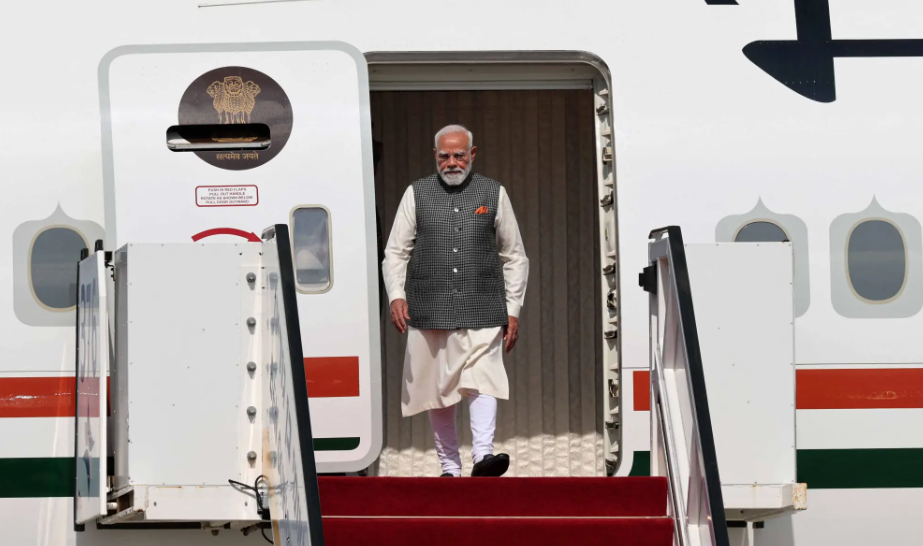
Modi Arrives in Israel to Deepen Ties Amid Opposit...
India’s PM Narendra Modi arrives in Israel for a two-day visit to strengthen defence, tr...
-
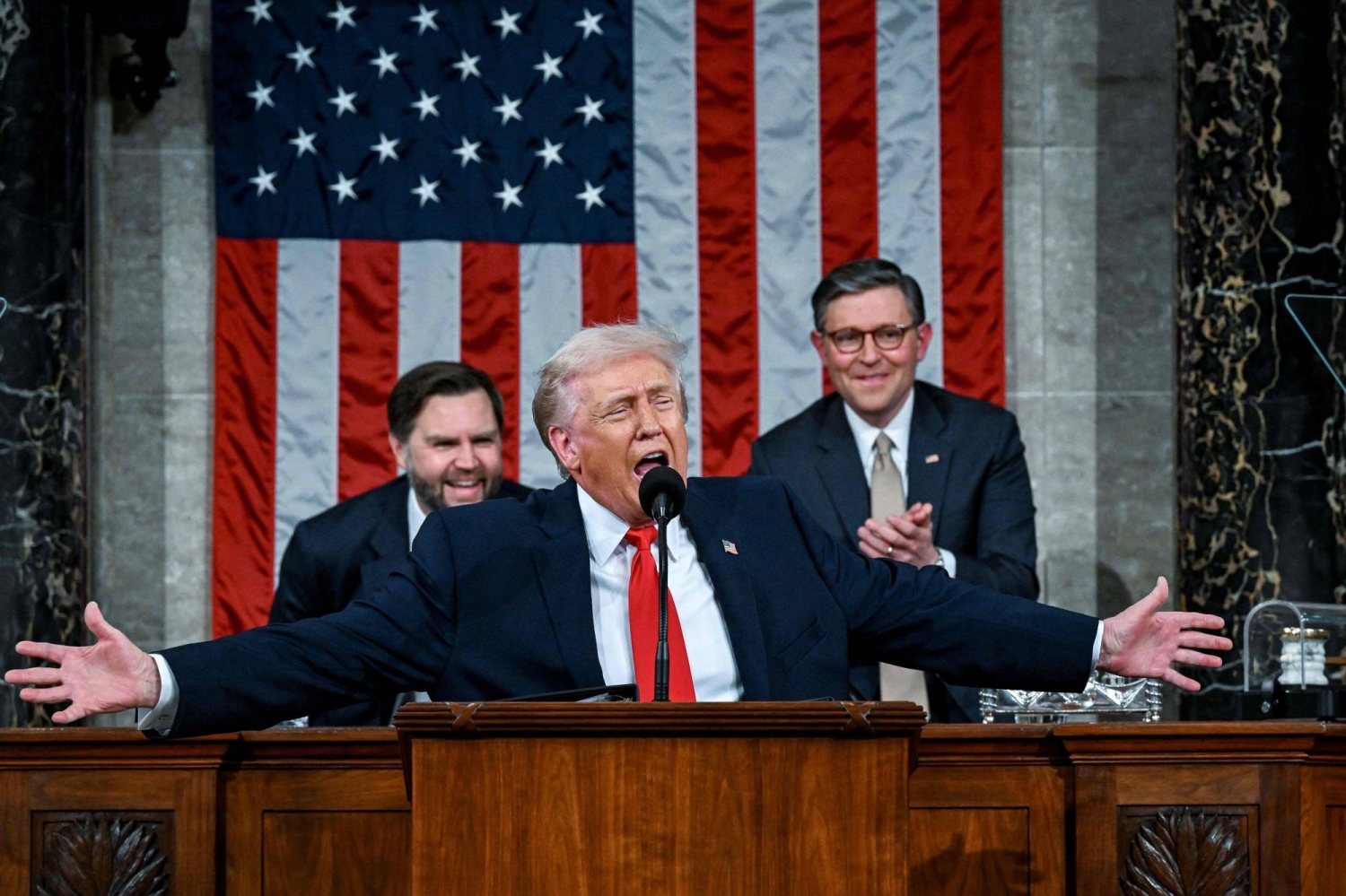
Trump Hails “Golden Age of America” in State o...
Trump claims U.S. is in a “golden age” during State of the Union, touting the economy,...
-
Multiple Palestinians Injured in Hebron Amid Escal...
A wave of Israeli military raids and settler attacks in the Hebron area has left several P...

-
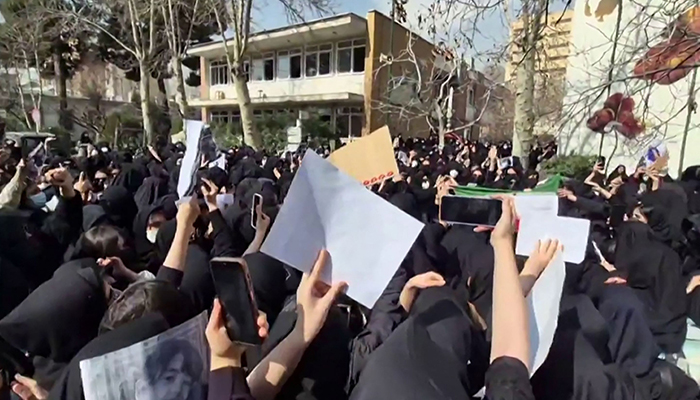
Iran Warns Protesters, Emphasizes ‘Red Lines’ ...
Iranian government warns students protesting at universities that while protests are a rig...