WORLD NEWS
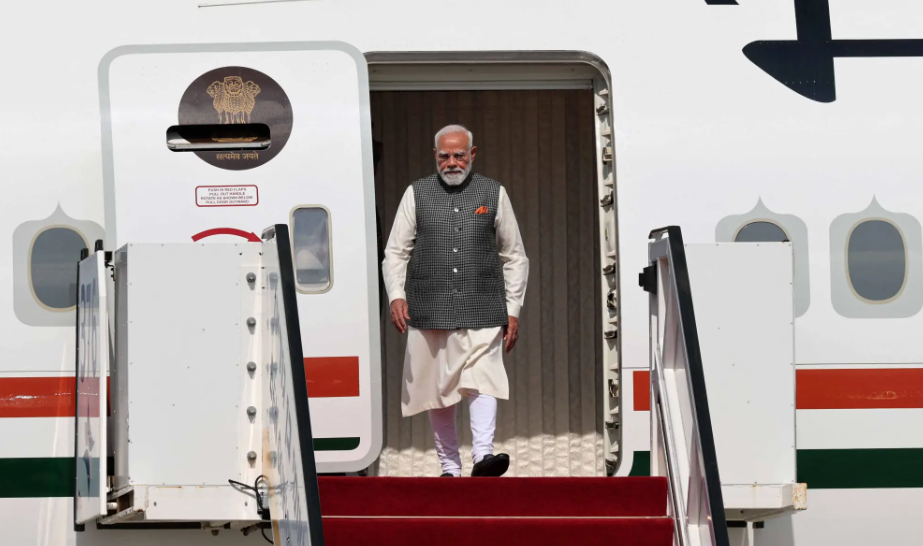
Indian Prime Minister Narendra Modi arrived in Israel on Wednesday for a two-day visit aimed at deepening strategic, trade, and defence ties with the Middle Eastern nation. This marks Modi’s second visit as prime minister, following his 2017 trip, and is set against a backdrop of heightened regional tensions and domestic criticism.
In a departure statement, Modi highlighted the strong bilateral relationship, stating, “Our nations share a robust and multifaceted strategic partnership.” During the visit, he is scheduled to meet Israeli Prime Minister Benjamin Netanyahu, address the Knesset, and hold talks with President Isaac Herzog.
Expanding Cooperation
India has steadily broadened cooperation with Israel across defence, agriculture, technology, and cybersecurity sectors while balancing relationships with Gulf nations and Iran. Talks on an India-Israel Free Trade Agreement (FTA) opened in New Delhi on Monday, with bilateral merchandise trade reaching $3.62 billion in 2024–2025.
Modi’s visit coincides with broader regional projects, including the India-Middle East-Europe Economic Corridor, envisioned to link railways, ports, electricity grids, data networks, and pipelines across Israel, Saudi Arabia, and India. Plans had been stalled following Hamas’s October 7 attacks on Israel, which resulted in a devastating conflict in Gaza.
Indian conglomerates, such as the Adani Group, operate key infrastructure in Israel, including the Mediterranean port of Haifa. Israeli military drone technology has also been reportedly deployed in regional conflicts, including against Pakistan in May 2025.
Opposition Criticism
Modi’s visit has drawn sharp criticism from the Indian National Congress. Senior leader Priyanka Gandhi urged Modi to address the killing of civilians in Gaza and demand justice during his Knesset address.
Congress parliamentarian Jairam Ramesh accused Modi of displaying “moral cowardice” by embracing Netanyahu, who has been widely criticized for the Gaza conflict and ongoing settlement expansion in the occupied West Bank. Ramesh cited India’s historical support for Gaza, referencing Jawaharlal Nehru’s 1960 visit to the region and meeting with the UN Emergency Force contingent.
Netanyahu has described India, Greece, Cyprus, and other countries as part of a “hexagon of alliances” against what he terms “radical axes” of Muslim nations. India, home to 1.4 billion people with an estimated 220 million Muslims, faces domestic sensitivity over balancing regional partnerships with communal considerations.
Modi’s visit is expected to further solidify India-Israel cooperation in trade, defence, and technology, even as it sparks debate at home over the ethical and diplomatic dimensions of India’s Middle East policy.
-
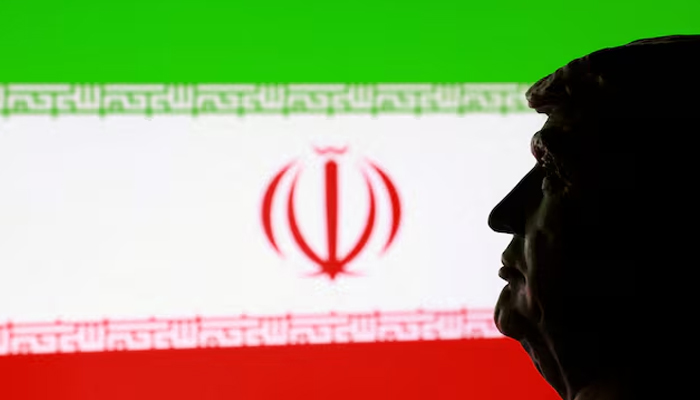
US Imposes New Sanctions on Iran Ahead of Expected...
The US announces fresh sanctions targeting 30+ individuals, entities, and vessels linked t...
-
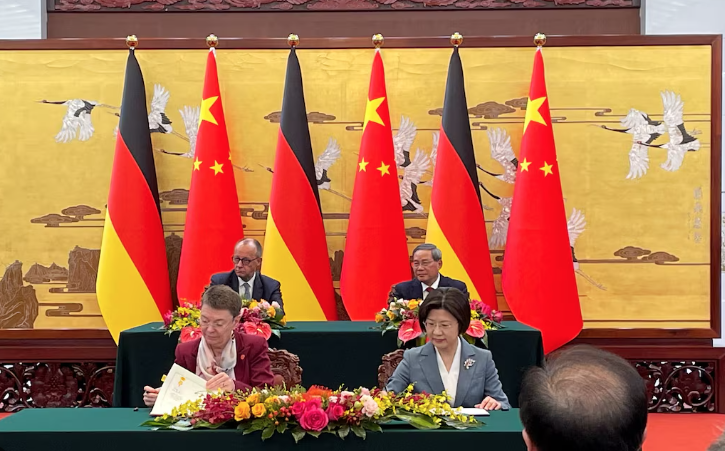
German Chancellor Merz Pushes for Chinese Investme...
German Chancellor Friedrich Merz urges China to boost investment in Germany while addressi...
-
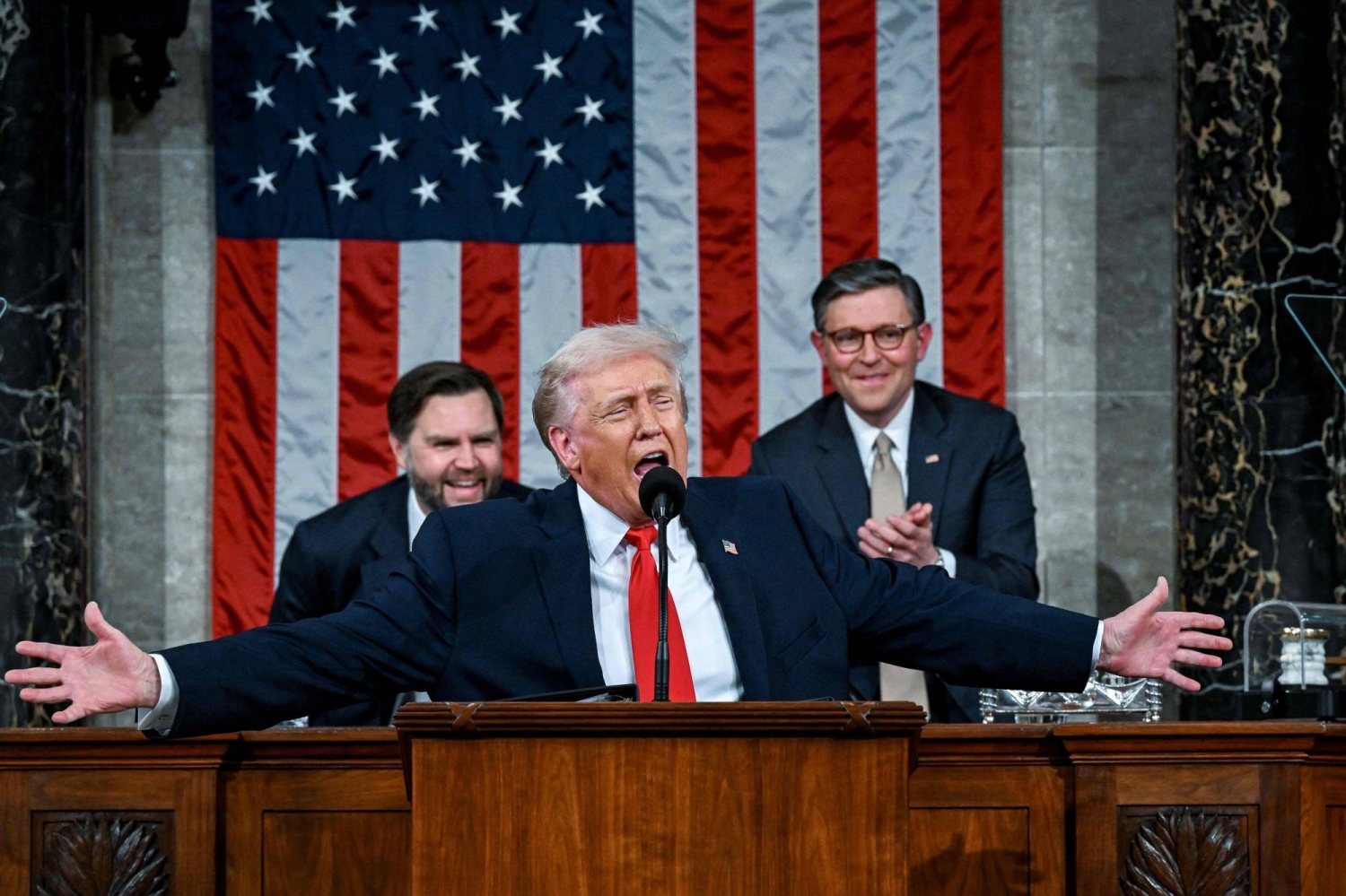
Trump Hails “Golden Age of America” in State o...
Trump claims U.S. is in a “golden age” during State of the Union, touting the economy,...
-
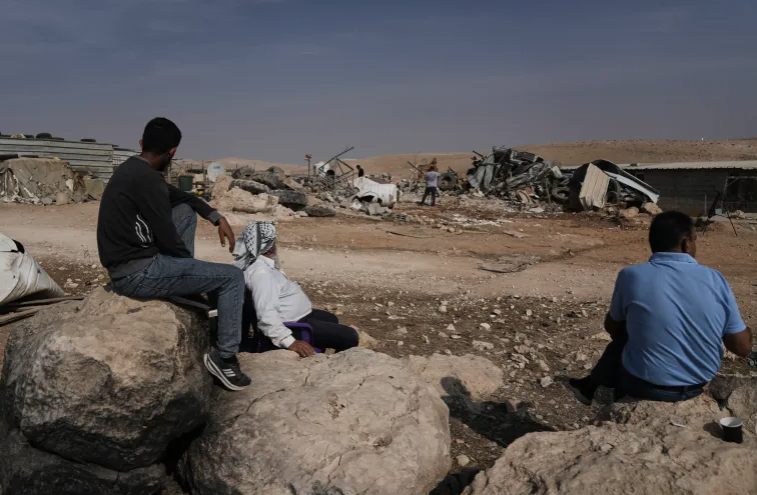
Multiple Palestinians Injured in Hebron Amid Escal...
A wave of Israeli military raids and settler attacks in the Hebron area has left several P...
-
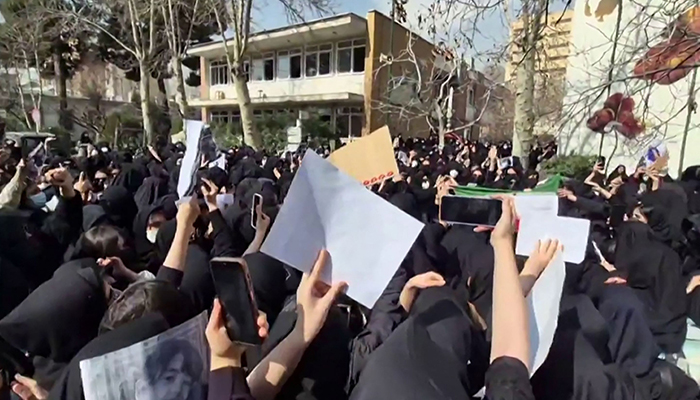
Iran Warns Protesters, Emphasizes ‘Red Lines’ ...
Iranian government warns students protesting at universities that while protests are a rig...