Climate
.jpg)
Summer Intensifies: Met Office Forecasts Temperatures Above 40°C Across Sindh and Balochistan
The Pakistan Meteorological Department (PMD) has issued a fresh weather update as a heat spell takes hold of the country’s southern and central regions. According to the forecast, several districts in Sindh and Balochistan are set to experience blistering heat today, with the mercury expected to cross the 40°C threshold.
Regional Heat Breakdown
The plains of Sindh and the arid regions of Balochistan are bearing the brunt of this upward trend:
-
Balochistan: Sibi is expected to be the hottest point in the country, with temperatures potentially reaching a scorching 44°C.
-
Sindh: Sukkur is bracing for 43°C, followed closely by Dadu at 42°C, Mithi at 41°C, and Hyderabad at 40°C.
-
Karachi: The coastal metropolis is seeing a steady climb, with the maximum temperature likely to hit 35°C today.
Punjab and Central Regions
The warming trend is also extending into Punjab:
-
Multan and Sargodha are expected to see highs of 37°C.
-
Lahore and Dera Ghazi Khan are forecast to reach 36°C.
Forecast: Heatwave Concerns for Late April
The PMD has noted that weather patterns are shifting toward a drier and warmer phase. While conditions in Sindh currently remain stable, the lack of moisture is allowing heat to build up rapidly. Meteorologists warn that this upward trajectory is likely to intensify, potentially leading to full-blown heatwave conditions by the end of April.
Residents in the affected areas are advised to stay hydrated, minimize direct sun exposure during peak afternoon hours, and take necessary precautions against the dry heat.
-
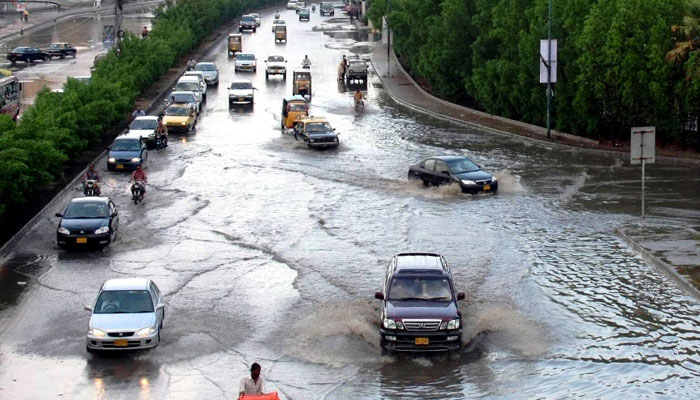
New Wave of Rain Predicted Across the Country; Hai...
Stay prepared! 🌧️ A new weather system is expected to enter the country, bringing wid...
-
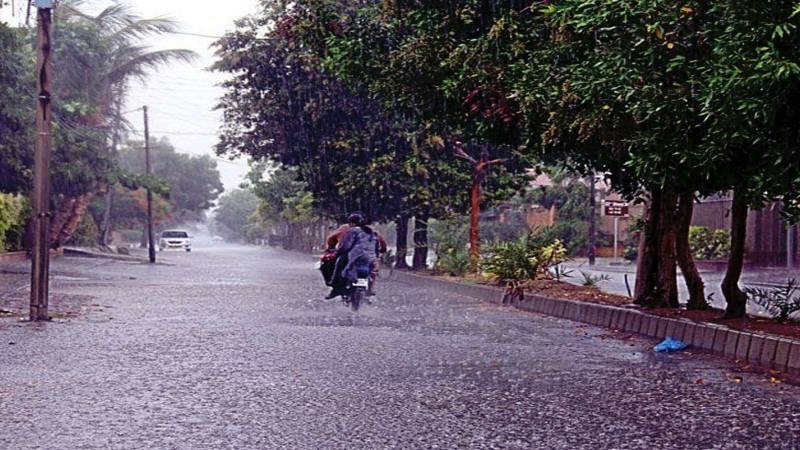
Heavy Rain in Karachi Claims 4 Lives, Disrupts Tra...
Heavy rain and strong winds hit Karachi, leaving 4 dead and 3 injured as flooding and road...
.jpg)
-
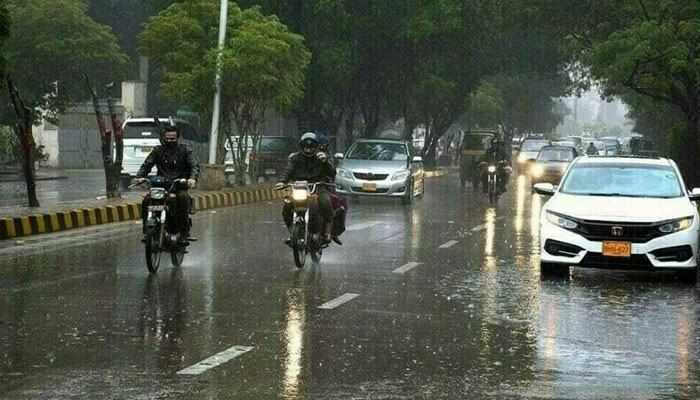
Light Rain Continues in Karachi, Power Disruptions...
Light rain persists in Karachi, with more showers expected till April 4. K-Electric warns ...
-
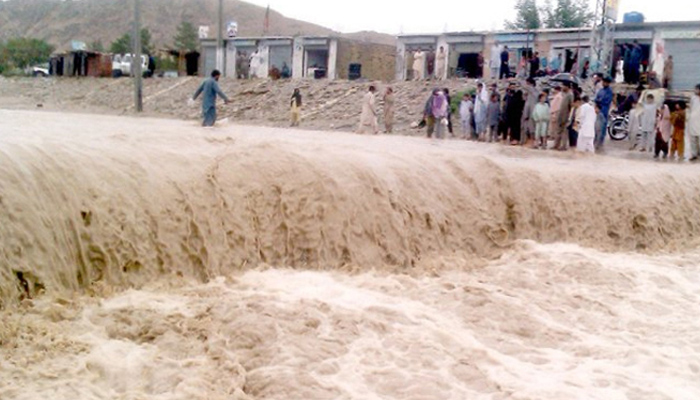
Flash Floods Sweep Vehicles Away in Balochistan’...
Flash floods wreak havoc in Chaman as vans and trucks are swept away in Qila Abdullah. Res...
-
Heavy Rain, Thunderstorms and Hailstorm Expected i...
Heavy rain, strong winds, and possible hailstorm expected in Karachi from tomorrow as weat...