POLITICS & POLICY MAKING
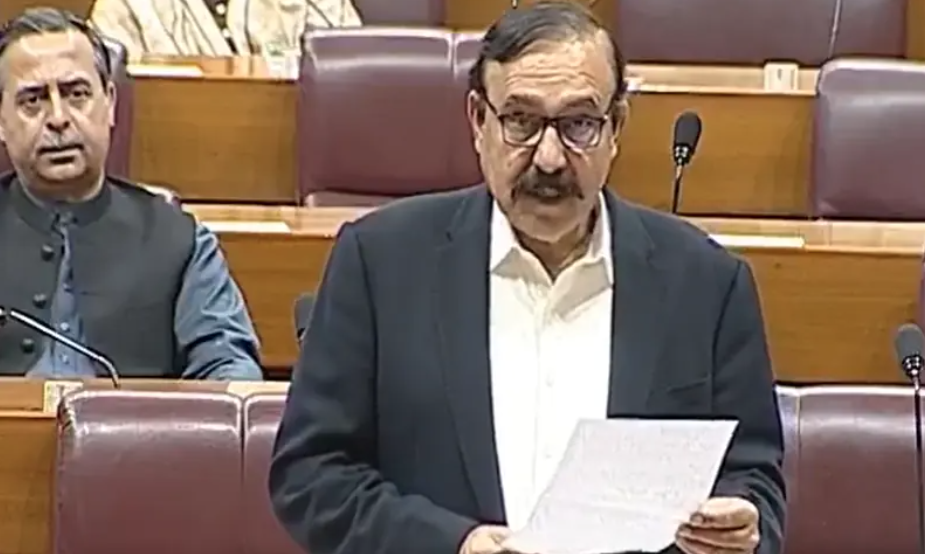
The National Assembly on Tuesday adopted a resolution calling for an “aggressive” and coordinated national response against the external sponsors and internal facilitators of terrorism, as lawmakers expressed grave concern over a surge in deadly attacks in Balochistan.
The resolution was tabled by Parliamentary Affairs Minister Dr Tariq Fazal Chaudhry and passed with a majority vote during a session dedicated to discussing the prevailing security situation in Balochistan following a series of coordinated terrorist attacks across the province on Saturday.
The House strongly condemned the recent incidents, stating that innocent civilians were targeted and “heinous and inhumane tactics, including the use of women as weapons,” were employed. It demanded an “immediate, aggressive, coordinated and effective national response” against external sponsors, internal facilitators, funding channels, smuggling networks and propaganda hubs, bringing together political, diplomatic, military, intelligence, legal and rhetorical efforts.
The resolution highlighted that evidence in several cases pointed toward external sponsorship, expressing “serious concerns over the role of India”. It further stated that terrorism was being supported from neighbouring countries through logistical facilitation, financial assistance, training, medical treatment, cross-border movement and propaganda networks.
Expressing deep sorrow, the House noted with alarm that terrorist groups were attempting to exploit women through coercion and blackmail, calling the practice contrary to Islamic, Pakistani and Baloch values. The resolution appreciated the “timely and effective measures” taken by security forces, law enforcement agencies, the Balochistan provincial government and the civil administration.
The House also expressed solidarity with the families of the martyrs and the injured, declaring attacks on civilians, women and children as “unforgivable crimes” and reiterating the state’s commitment to zero tolerance against terrorism.
According to the military’s media wing, terrorists of Fitna-al-Hindustan carried out large-scale coordinated attacks across Balochistan on Saturday. Security forces responded swiftly, killing 92 terrorists during initial operations, while subsequent actions raised the 48-hour death toll of militants to 177 by Monday.
### **Lawmakers Raise Alarm**
Lawmakers from across the political spectrum, including the PTI, PPP and Jamiat Ulema-i-Islam-Fazl (JUI-F), voiced serious concern over the deteriorating security situation. At times, opposition speeches were not livestreamed on the National Assembly’s YouTube channel.
Opposition Leader Mehmood Khan Achakzai proposed adding a clause recognising the first right of a province’s children over its resources, which NA Speaker Ayaz Sadiq noted was constitutionally protected.
PTI MNA Asad Qaiser stressed the need to identify the root causes of insurgency in Balochistan and Khyber Pakhtunkhwa, warning that without addressing fundamental issues, the situation would worsen. He described the state as a “mother” that must ensure justice and equal treatment to all citizens, or risk instability.
Qaiser also raised concerns over the denial of funds to KP and highlighted what he termed unequal treatment of provincial leadership. He urged diplomatic engagement with Afghanistan to address cross-border terrorism and called for full implementation of the National Action Plan, civilian supremacy and strong economic and foreign policies.
JUI-F MNA Aliya Kamran questioned the delayed response of security forces during the attacks and said the situation in some districts, including Nushki, had yet to normalise. She urged dialogue with the people of Balochistan and questioned why women were being used as suicide bombers.
Another JUI-F lawmaker, Usman Badini, described Balochistan as being “on fire” for the past 48 hours and lamented the denial of basic rights, including electricity. He stressed that dialogue with all those accepting the Pakistani flag was essential for resolving the crisis.
PTI’s Noor Alam Khan highlighted the rise in terrorist incidents in KP and requested that the province’s concerns be incorporated into the resolution. PPP MNA Sehar Kamran underscored what she described as a nexus between banned groups and external forces, calling for national unity to counter terrorism.
### **Government Response**
State Minister for Interior Tallal Chaudhry told the House that Balochistan receives over 40 per cent more funds than Punjab under the National Finance Commission Award and more than double the per capita allocation compared to Punjab and Sindh. He said 91 per cent of financial resources spent in the province are provided by the federal government.
Chaudhry highlighted infrastructure development, including hospitals, cadet colleges, technical institutions, roads and airports, questioning why terrorists target public facilities if their struggle is for rights. He asserted that terrorist groups misuse religion and ethnicity for propaganda, adding that terrorism has no religious or ethnic affiliation.
Rejecting calls to halt sporting and economic activities, Chaudhry said terrorists aim to paralyse normal life, a goal the state would not allow. He also criticised India for refraining from condemning the Balochistan attacks and stressed the need for a unified political narrative to support security forces.
### **Details of the Attacks**
According to the Inter-Services Public Relations (ISPR), coordinated attacks on January 31 targeted Quetta, Mastung, Nushki, Dalbandin, Kharan, Panjgur, Tump, Gwadar and Pasni. Security forces launched clearance operations, killing 92 terrorists, including three suicide bombers, while 15 security personnel were martyred.
At least 18 civilians — including women, children, elderly people and labourers — were also killed, particularly in Gwadar and Kharan. The military said intelligence reports confirmed the attacks were orchestrated by terrorist leaders operating from outside Pakistan, who remained in contact with attackers throughout the incidents.
-
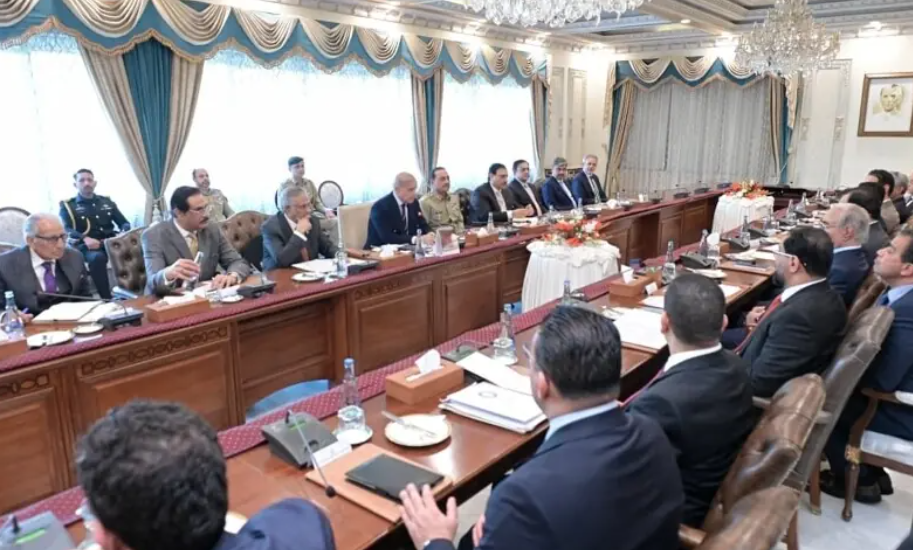
PM Shehbaz Reaffirms Pakistan’s Commitment to St...
PM Shehbaz Sharif meets Libyan leaders, emphasizing Pakistan’s commitment to friendly re...
-
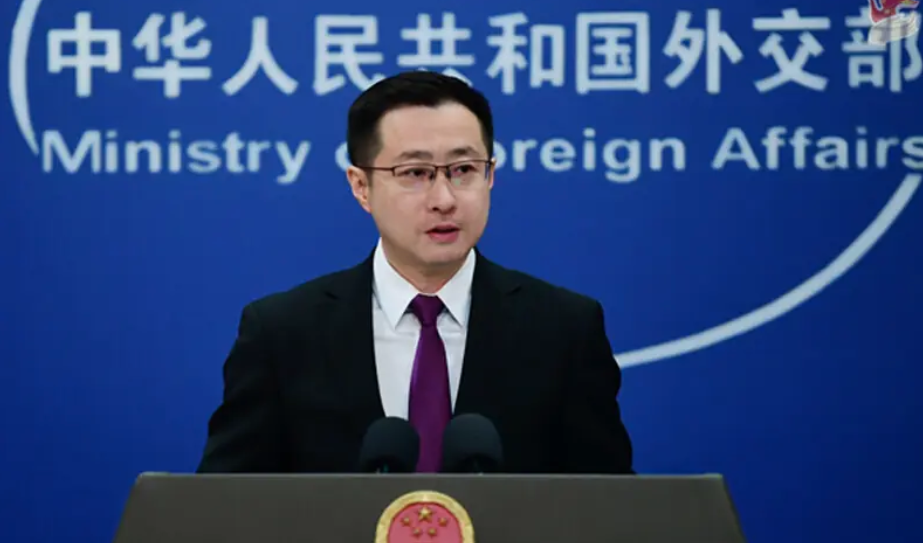
China Condemns Balochistan Attacks, Pledges Suppor...
China strongly condemns the recent coordinated attacks in Balochistan, expressing solidari...
-
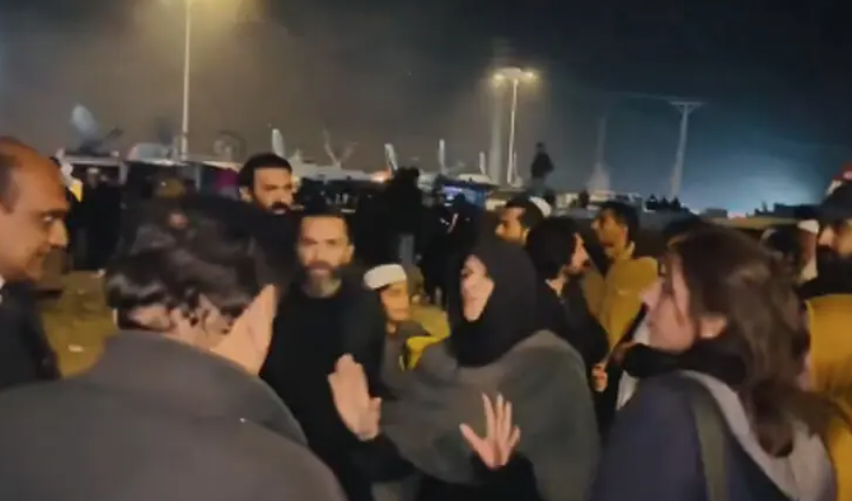
PTI Alleges Violence, Arrests During Adiala Jail P...
PTI accuses police of violence and arrests near Adiala Jail as supporters protest continue...
-
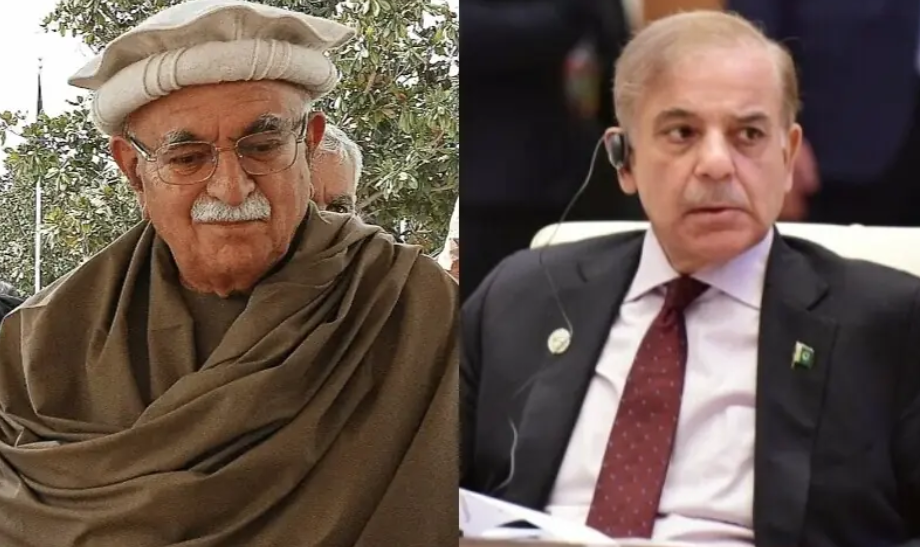
Achakzai Seeks PM’s Intervention for Imran Khanâ...
Opposition leader Mahmood Khan Achakzai urges PM Shehbaz Sharif to allow Imran Khan’s pe...
-
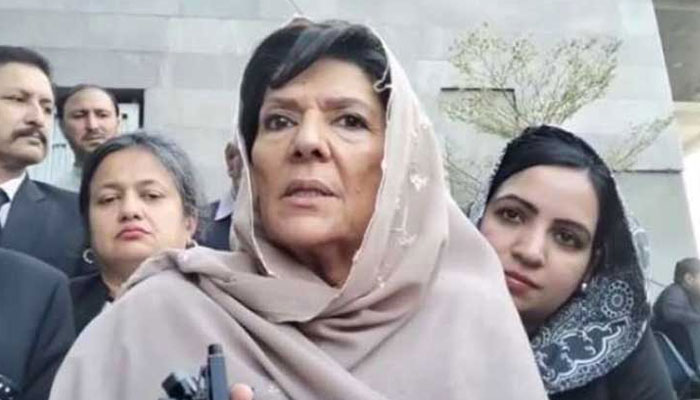
Aleema Khan Rejects Calls for Imran Khan’s Relea...
Aleema Khan has rejected calls for Imran Khan’s release for medical treatment, questioni...