POLITICS & POLICY MAKING
President Zardari begins official visit to China today; talks to center on economic cooperation and CPEC: FO
.jpg)
President Asif Ali Zardari is embarking on a pivotal week-long official visit to China starting today, April 25, 2026. This trip is particularly historic as it coincides with the 75th anniversary of diplomatic relations between the two "all-weather" allies.
A Strategic Roadmap
The President’s itinerary is divided into two key provincial legs designed to broaden Pakistan’s engagement beyond Beijing:
-
Changsha (Hunan Province): April 25–27
-
Sanya (Hainan Province): April 28–May 1
In these regions, President Zardari will meet with provincial leaders to review the entire scope of the bilateral relationship. The primary goal is to inject new momentum into the China-Pakistan Economic Corridor (CPEC) and explore fresh avenues for trade and economic investment.
The 75-Year Milestone
This visit isn't just about business; it’s a celebration of a diamond jubilee. The Foreign Office emphasized that this trip underscores the "deep commitment" both nations share toward their strategic partnership. Throughout 2026, both countries are marking 75 years of friendship, a bond often described by officials as "iron-clad" and "rooted in mutual trust."
Building on Past Success
This mission follows a productive trip last year, where the President secured six major Memorandums of Understanding (MoUs) specifically for Sindh. Those agreements covered critical sectors like:
-
Modern Agriculture: Enhancing crop yields and farmer training.
-
Infrastructure: Developing advanced rail links and energy projects.
-
Defense: Strengthening security cooperation
-
Four family members shot dead in Islamabad suburbs...
Four members of a family were shot dead in the outskirts of Islamabad, police said, as aut...

-
US imposes sanctions on major Chinese oil refinery...
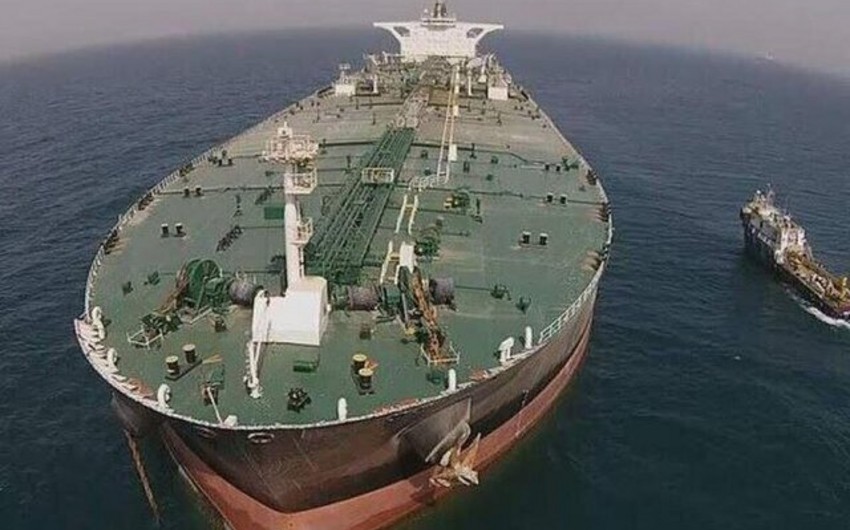
US sanctions major Chinese oil refinery over alleged Iranian oil purchases, escalating glo...
-
Security Crackdown in Iran: 240 Suspects Arrested,...
Iranian authorities have arrested around 240 suspects during a widespread security crackdo...
-
Pakistan Increases Petrol Levy by Rs26.77 per Litr...
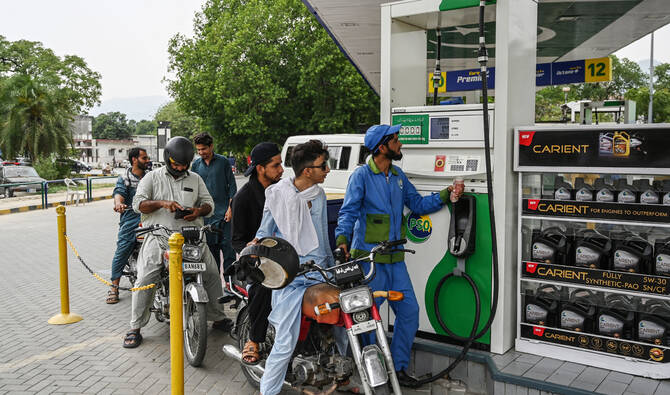
The government has increased the petroleum levy on petrol by Rs26.77 per litre, a move exp...
-
Abbas Araghchi, Asim Munir Discuss Regional Situat...
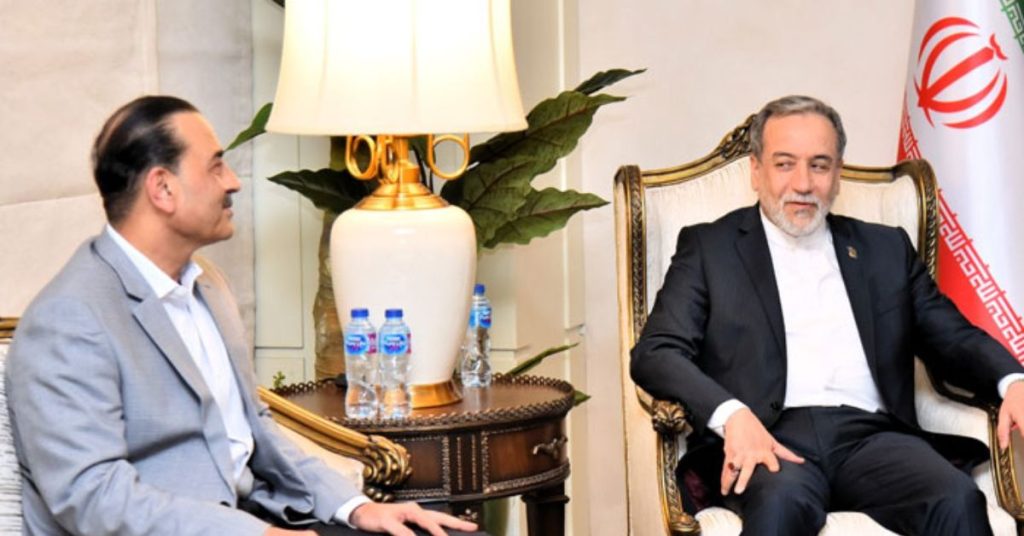
Iranian Foreign Minister Abbas Araghchi and Pakistan’s Field Marshal Asim Munir held a k...