WORLD NEWS

Denmark’s Prime Minister Mette Frederiksen submitted the resignation of her coalition government on Wednesday following a historic electoral defeat, though she could still emerge as leader of a new cabinet in the coming weeks.
The Social Democrats suffered its worst election performance since 1903, winning only 38 of 179 seats in the Folketing, down from 50 seats four years ago. Analysts attribute the result to voter dissatisfaction over broken economic promises, polarising domestic policies, and fatigue with Frederiksen’s seven-year tenure.
Key policy missteps, including the controversial scrapping of a public holiday, tax cuts for high earners, and a failed last-minute wealth tax proposal, overshadowed Frederiksen’s popular stance on Greenland amid US interests. Rune Stubager, a political scientist at Aarhus University, noted, “This loss was larger than you could explain just by the cost of ruling.”
The election also highlighted a broader trend of voters moving away from centrist parties toward anti-immigration and left-wing alternatives. Right-wing nationalist parties increased their vote share to 17%, while the Green Left Party gained traction. The anti-immigration Danish People's Party capitalised on inflation and living-cost concerns, promising fuel tax cuts and offering discounted petrol during campaign events.
Despite the setback, the Social Democrats remain Denmark’s largest party with 21.9% support, leaving Frederiksen as a strong contender for a third term. Her left-wing bloc secured 84 seats, narrowly ahead of the right-leaning bloc with 77 seats, while the centrist Moderates Party, led by Foreign Minister Lars Løkke Rasmussen, won 14 seats, emerging as potential kingmakers.
Frederiksen acknowledged the fractured electoral outcome during a Wednesday debate, stating that the results ruled out a traditional left- or right-wing government. “So what is left is that we need to cooperate. That is the message here,” she said.
The leader of the Liberal Party, Defence Minister Troels Lund Poulsen, has indicated that his party is no longer interested in coalition rule with Frederiksen, signalling that future government formation could be lengthy and complex.
The results mark a significant shift in Danish politics, reflecting voter concerns over economic issues such as the cost-of-living crisis, environmental policies, and welfare reforms, while also underscoring the challenges of coalition governance in a polarised political landscape.
-
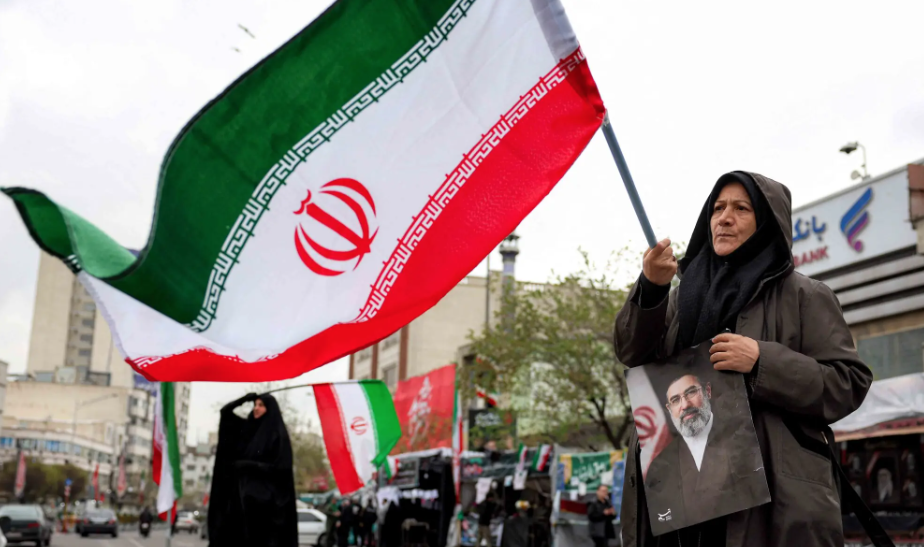
Iran Rejects US Proposal, Outlines Five Conditions...
Iran says it will end the US-Israel war on its terms, sets 5 conditions including reparati...
-
US Submits 15-Point Proposal to Iran; Pakistan and...
US 15-point plan to Iran includes ending nuclear & missile programs, sanctions relief, and...

-
Australia Imposes Temporary Travel Ban on Iranian ...
Australia temporarily restricts entry for Iranian visitors amid Iran conflict, citing conc...

-
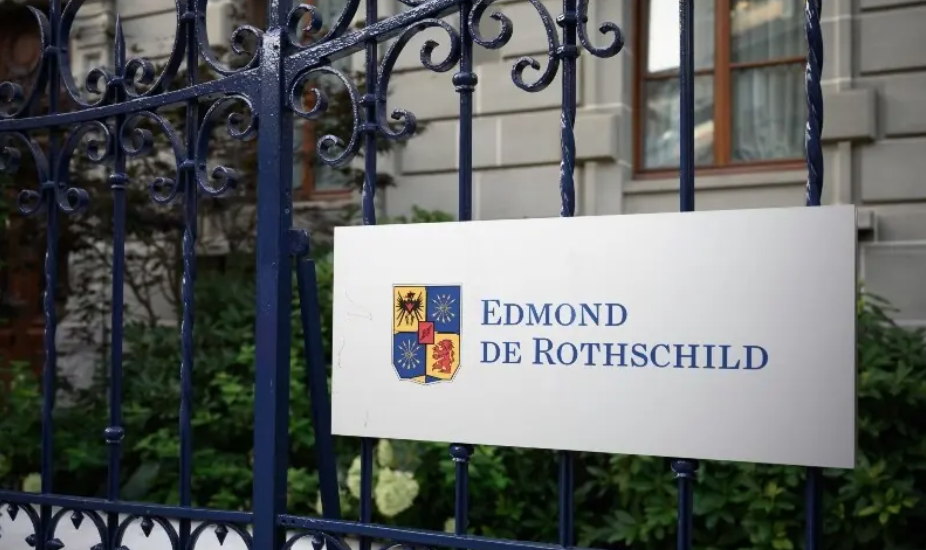
French Investigators Search Edmond de Rothschild O...
Paris offices of Edmond de Rothschild searched in probe over alleged corruption involving ...
-
Gulf States Condemn Iranian Strikes at UN, Call fo...
GCC countries urge UN to hold Iran accountable for attacks on Gulf states, citing violatio...