WORLD NEWS
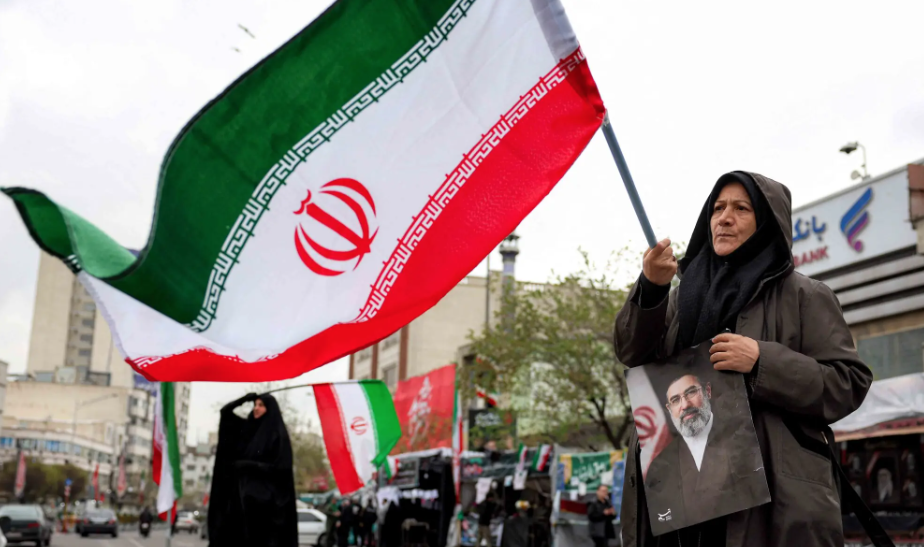
Tehran has formally rejected a US proposal aimed at ending the ongoing US-Israel war on the country, according to Iran’s state-owned broadcaster, Press TV. A senior Iranian political-security official told the outlet that Washington’s plan is viewed in Tehran as “excessive” and disconnected from the reality of America’s setbacks on the battlefield.
“The United States cannot dictate the timing of the war’s end. Iran will conclude the conflict when its own conditions are fulfilled,” the official said.
The official outlined five key conditions for a ceasefire:
- Complete halt to aggression and targeted assassinations by the US, Israel, and their allies.
- Concrete mechanisms to ensure that war is not reimposed on Iran in the future.
- Guaranteed payment of war damages and reparations to Iran.
- Termination of hostilities across all fronts, including conflicts involving allied resistance groups.
- International recognition of Iran’s sovereignty and authority over the Strait of Hormuz.
The official emphasized that these stipulations are in addition to prior demands presented by Tehran during the second round of Geneva negotiations, which occurred just days before US-Israeli strikes on February 28. Iran has communicated to intermediaries that no negotiations will take place until all conditions are accepted, and defensive operations will continue until the demands are met.
Earlier reports indicated that Pakistan had delivered a US peace proposal to Iran, with Islamabad or Turkiye being considered as potential venues for talks to de-escalate the conflict. However, Tehran’s latest statements suggest a firm stance, with the official stressing that the war will end “when Iran decides it should, not when US President Donald Trump envisions its conclusion.”
Trump had previously claimed that negotiations were underway and described the proposal as a “present worth a tremendous amount of money,” though details remained vague. The Strait of Hormuz, a vital energy transit route, remains largely under Iranian control, affecting global oil prices.
Iran’s rejection signals that while diplomatic channels remain open through intermediaries, Tehran is setting clear conditions to assert its strategic and territorial interests before any ceasefire can be implemented.
-
US Submits 15-Point Proposal to Iran; Pakistan and...
US 15-point plan to Iran includes ending nuclear & missile programs, sanctions relief, and...

-
Australia Imposes Temporary Travel Ban on Iranian ...
Australia temporarily restricts entry for Iranian visitors amid Iran conflict, citing conc...

-
French Investigators Search Edmond de Rothschild O...
Paris offices of Edmond de Rothschild searched in probe over alleged corruption involving ...

-
Denmark’s PM Mette Frederiksen Resigns After Ele...
Denmark’s PM Mette Frederiksen resigns after historic election loss, but may return afte...

-
Gulf States Condemn Iranian Strikes at UN, Call fo...
GCC countries urge UN to hold Iran accountable for attacks on Gulf states, citing violatio...