WORLD NEWS
Gulf States Condemn Iranian Strikes at UN, Call for Reparations Amid Escalating Middle East Conflict
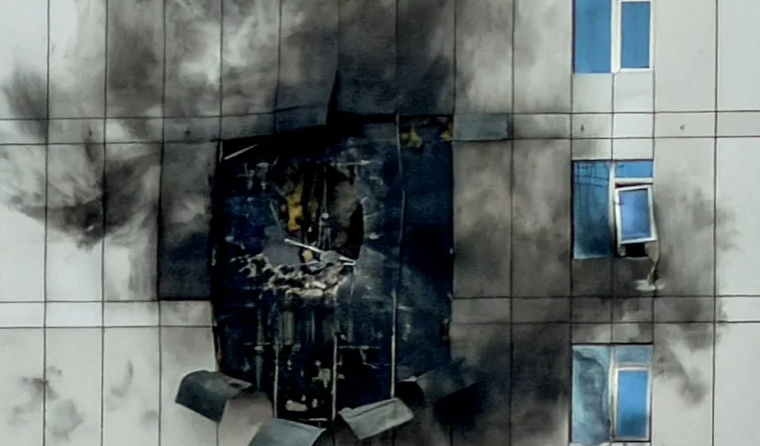
Gulf officials have raised serious concerns at the United Nations Human Rights Council, describing recent Iran missile and drone attacks on their countries as gross violations of state sovereignty. They demanded full reparations as the conflict between the United States, Israel, and Iran approaches the one-month mark.
Saudi Arabia’s UN representative, Abdulmohsen Majed bin Khothaila, condemned Tehran’s strikes during an emergency session in Geneva on Wednesday. He emphasised that Gulf Cooperation Council (GCC) member states were being targeted despite not being party to the conflict.
“[Iranian attacks] violate the UN Charter and international law. To target a neighbour is a violation of the principles of good neighbourly relations,” Majed bin Khothaila said. “To target a mediator betrays all efforts aimed at peace, and to target uninvolved states amounts to unacceptable attacks that cannot be ignored.”
The 47-member council backed a resolution submitted by the GCC and Jordan condemning Iran’s actions aimed at closing the Strait of Hormuz, a critical shipping route through which roughly one-fifth of the world’s oil and gas supplies pass. While not legally binding, the resolution called on Iran to immediately “cease all unprovoked attacks” and demanded swift reparations for victims.
Representatives from other Gulf states echoed these concerns. Qatar’s envoy, Hend bint Abd al-Rahman al-Muftah, warned that attacks on electricity and desalination plants could have serious environmental consequences and violate human rights. Kuwait’s ambassador, Naser Abdullah Alhayen, described the Gulf region as facing an “existential threat to international and regional security.”
UN human rights chief Volker Turk described the situation as “extremely dangerous and unpredictable,” warning that the conflict could push the Middle East toward an “unmitigated catastrophe” unless diplomatic efforts succeed.
Analysts note that Gulf states are seeking guarantees from Iran in any potential negotiations, just as Iran will likely seek assurances from the US and Israel. While recent attacks have slightly decreased in frequency, experts warn that even small strikes could continue to cause major disruption.
Wednesday’s session underscored growing international concern over the regional crisis, with Gulf states demanding accountability, security assurances, and an urgent end to hostilities.
-
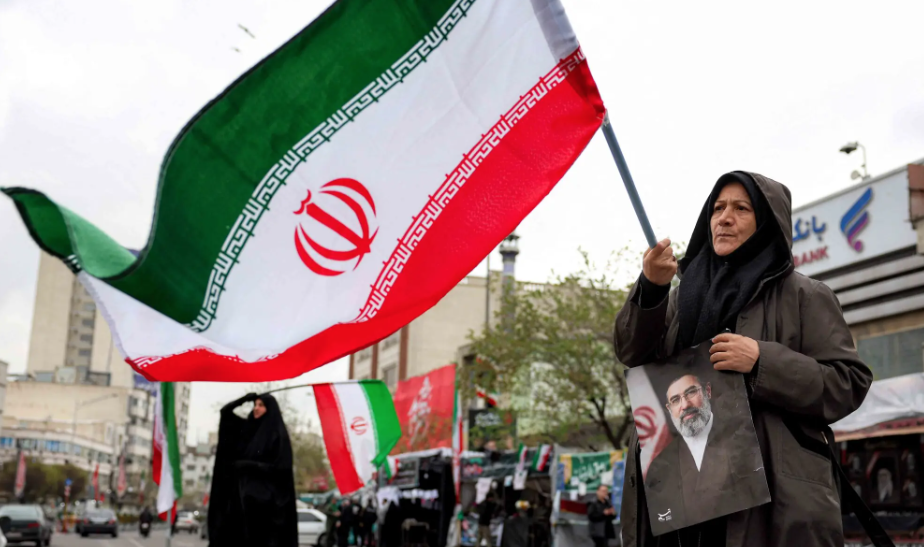
Iran Rejects US Proposal, Outlines Five Conditions...
Iran says it will end the US-Israel war on its terms, sets 5 conditions including reparati...
-
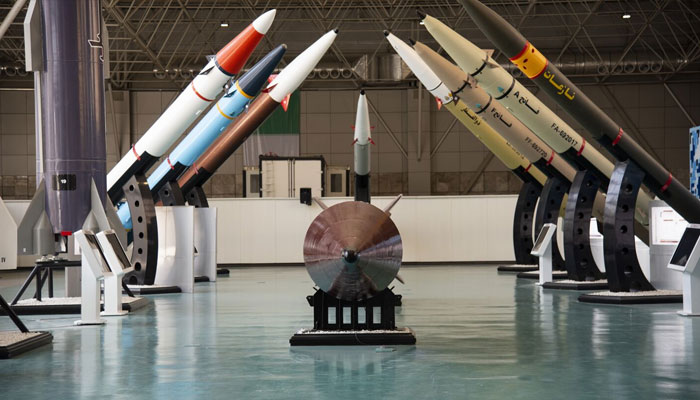
US Submits 15-Point Proposal to Iran; Pakistan and...
US 15-point plan to Iran includes ending nuclear & missile programs, sanctions relief, and...
-
Australia Imposes Temporary Travel Ban on Iranian ...
Australia temporarily restricts entry for Iranian visitors amid Iran conflict, citing conc...

-
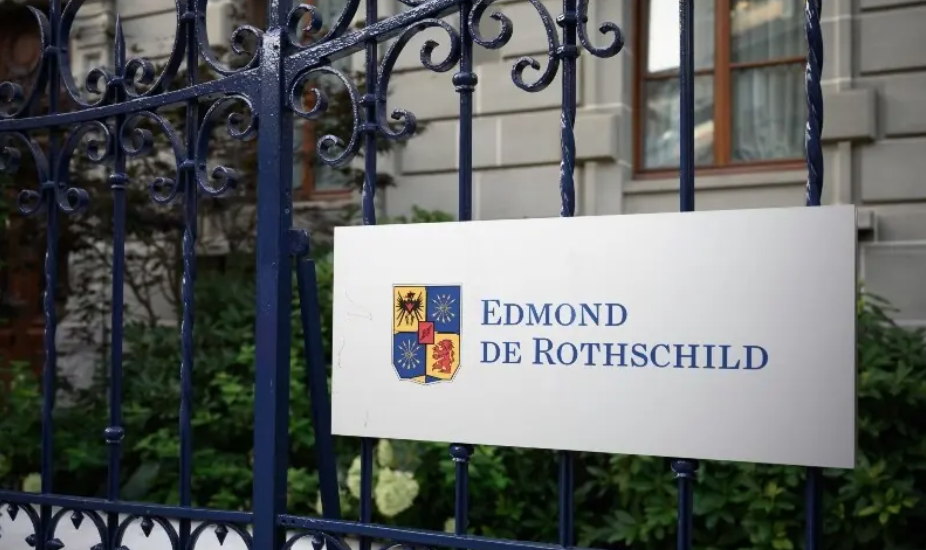
French Investigators Search Edmond de Rothschild O...
Paris offices of Edmond de Rothschild searched in probe over alleged corruption involving ...
-
Denmark’s PM Mette Frederiksen Resigns After Ele...
Denmark’s PM Mette Frederiksen resigns after historic election loss, but may return afte...