WORLD NEWS
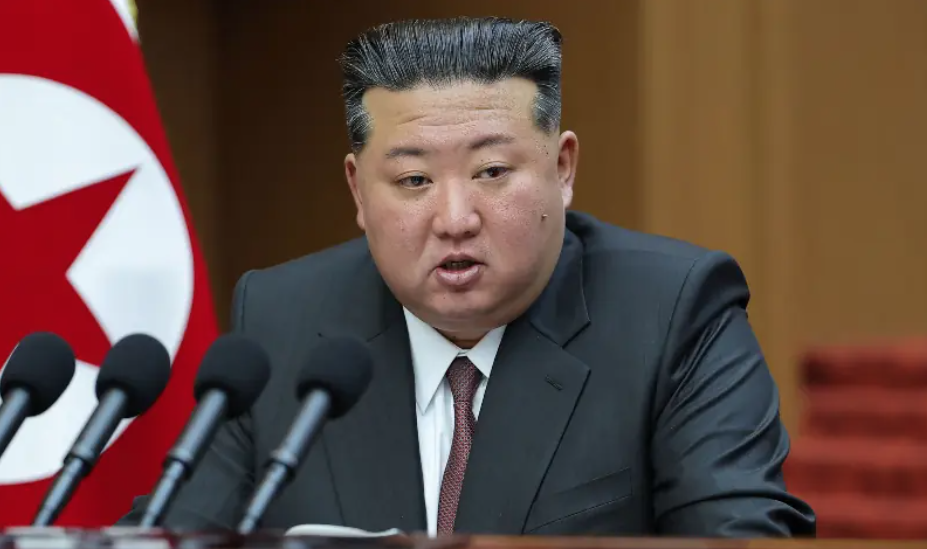
North Korean leader Kim Jong Un declared that his country will never give up its nuclear weapons and announced plans to designate South Korea as the “most hostile state,” according to state media reports on Tuesday.
Speaking to the Supreme People’s Assembly in a policy address on Monday, Kim accused the United States of committing “state terrorism,” referring to US military actions against Iran. “We will continue to firmly consolidate our status as a nuclear-armed state as an irreversible course, while aggressively stepping up our struggle against hostile forces,” he said.
According to the official Korean Central News Agency, Kim emphasized expanding North Korea’s self-defensive nuclear deterrent in line with the Constitution of the Democratic People’s Republic of Korea.
Despite international sanctions and diplomatic isolation, Pyongyang is estimated to possess dozens of nuclear warheads, along with fissile material for many more. North Korea has also unveiled advanced delivery systems, including solid-fuel intercontinental ballistic missiles (ICBMs) capable of rapid launch.
Kim also threatened South Korea, stating, “We will designate South Korea as the most hostile state and deal with it by thoroughly rejecting and disregarding it.” These comments come despite repeated overtures for dialogue from President Lee Jae Myung, who assumed office in June with a conciliatory approach.
Analysts say Kim’s remarks reflect North Korea’s heightened sensitivity to US actions in Iran and Venezuela. Hong Min noted that Pyongyang interprets these developments as reinforcing its commitment to advancing nuclear capabilities.
Andrei Lankov added that North Korea views nuclear weapons as its primary security guarantee, citing lessons learned from Iran’s experience.
During the assembly address, Kim criticized the US for deploying nuclear-capable strategic assets near North Korea, calling it a threat to regional security. Lim Eul-chul, a North Korea expert at Kyungnam University, explained that these systems, even without nuclear payloads, are perceived as destabilizing by Pyongyang.
On domestic matters, Kim proposed increasing industrial output by 1.5 times and allocating 15.8% of the 2026 national budget to defence. He also announced plans to establish a formal “police system” to strengthen legal frameworks and public order, signaling a shift from reliance on broader public security forces.
Kim concluded by asserting that North Korea’s economic and security progress proves that prosperity is achievable without abandoning its nuclear program, reinforcing the regime’s commitment to self-reliance and military strength.
-
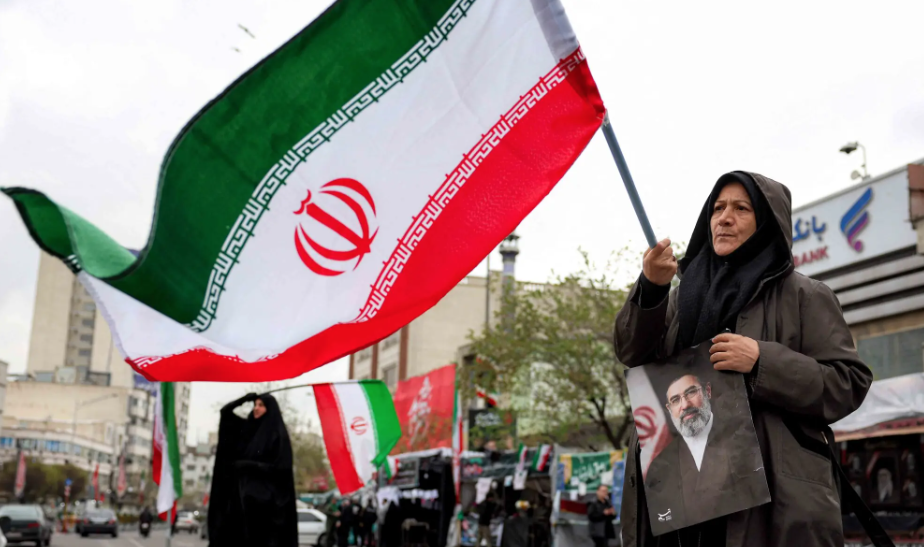
Iran Rejects US Proposal, Outlines Five Conditions...
Iran says it will end the US-Israel war on its terms, sets 5 conditions including reparati...
-
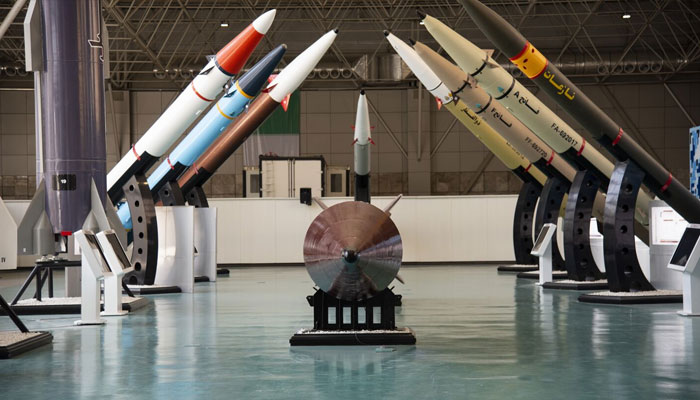
US Submits 15-Point Proposal to Iran; Pakistan and...
US 15-point plan to Iran includes ending nuclear & missile programs, sanctions relief, and...
-
Australia Imposes Temporary Travel Ban on Iranian ...
Australia temporarily restricts entry for Iranian visitors amid Iran conflict, citing conc...

-
French Investigators Search Edmond de Rothschild O...
Paris offices of Edmond de Rothschild searched in probe over alleged corruption involving ...
-
Denmark’s PM Mette Frederiksen Resigns After Ele...
Denmark’s PM Mette Frederiksen resigns after historic election loss, but may return afte...