POLITICS & POLICY MAKING
.jpg)
The State Bank of Pakistan (SBP) has confirmed the receipt of $1 billion from Saudi Arabia’s Ministry of Finance, with the funds credited on April 20, 2026. The inflow comes shortly after Prime Minister Shehbaz Sharif’s visit to the kingdom, where he engaged in diplomatic efforts aimed at strengthening ties and promoting regional stability.
Earlier, Saudi Arabia had pledged an additional $3 billion in deposits for Pakistan and also extended its existing $5 billion financial facility for another three years, providing further support to the country’s economy.
Despite this relief, Pakistan is facing mounting external financial pressures. Reports suggest that the country is set to repay a $3.5 billion loan to the United Arab Emirates later this month, which could strain its foreign exchange reserves and pose challenges for meeting International Monetary Fund (IMF) programme targets.
The situation is further complicated by rising global oil prices and economic uncertainties linked to ongoing tensions in the Middle East, both of which are putting additional stress on Pakistan’s external account.
Official data shows that Pakistan’s foreign exchange reserves stood at approximately $16.4 billion as of late March, covering nearly three months of imports. However, the upcoming repayment obligations have raised concerns about the sustainability of these reserves.
In a notable development, Pakistan was unable to secure a rollover agreement for the $3.5 billion UAE facility earlier this year—the first such instance in seven years—highlighting potential short-term financing challenges.
While the country’s financial position remains under pressure, it continues to be supported by broader economic stabilization efforts under an IMF-backed reform programme. Analysts caution that external financing risks remain a significant concern, particularly in the face of volatile energy markets and limited global investment flows.
-
Pakistan Extends Airspace Ban on Indian Aircraft U...
The Pakistan Airports Authority has extended the ban on Indian aircraft using its airspace...
-
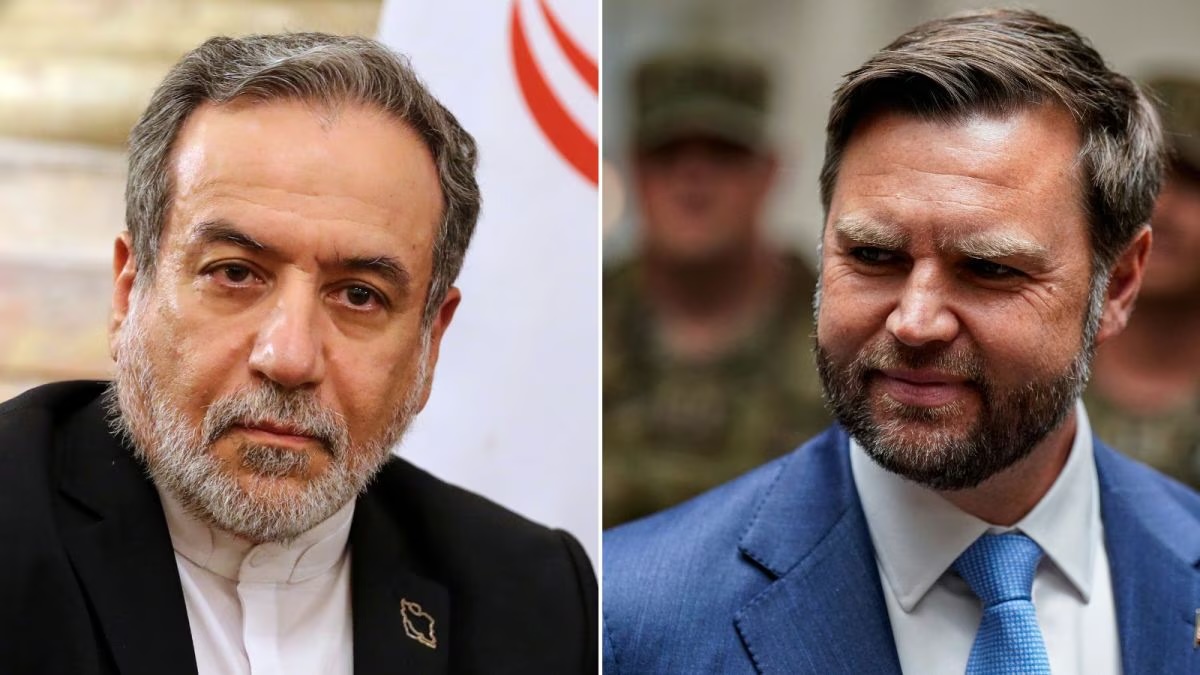
US Optimistic on Iran Deal, but Uncertainty Persis...
The United States has expressed confidence in reaching a deal with Iran, but uncertainty r...
-
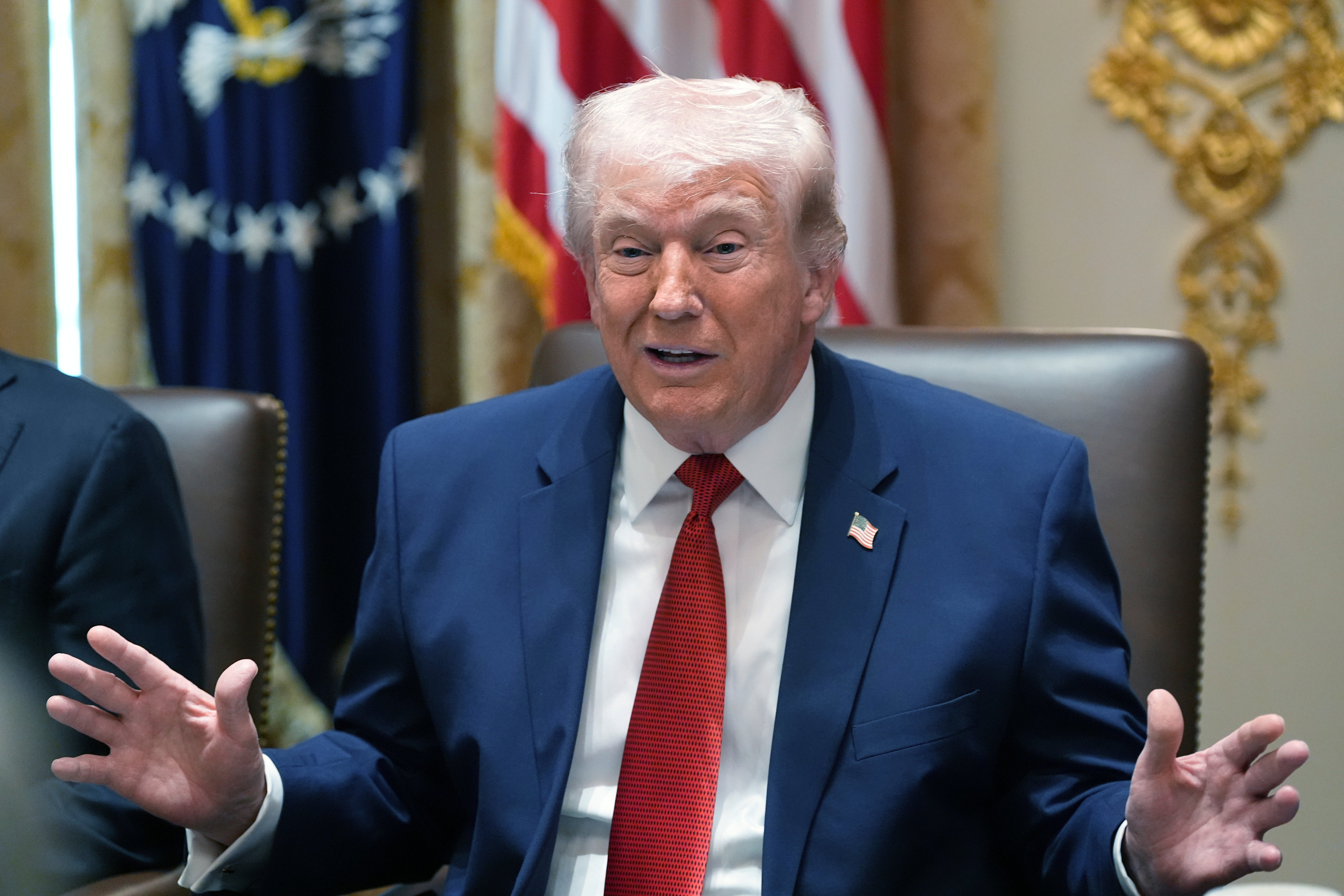
Iran War and Rising Inflation Push Trump’s Popul...
US President Donald Trump’s popularity has fallen to its lowest level, as ongoing tensio...
-
Pakistan Imposes Ban on New Universities and Tehsi...
In a strategic move to reform higher education standards, the government has officially ha...

-
Diplomatic Standoff: Iran Rejects New Talks with U...
Diplomatic deadlock in Islamabad! 🇵🇰📉 Iran has officially rejected the latest rou...