POLITICS & POLICY MAKING
Washington/Cairo/Islamabad – The United States has expressed optimism that peace talks with Iran could resume in Pakistan, although uncertainty remains as the current ceasefire approaches its expiry.
The temporary two-week truce between the two sides is set to end within days, increasing urgency around diplomatic efforts. While Iran had earlier indicated it would not participate in a second round of talks this week, sources involved in the process say momentum is building for negotiations to restart as early as Wednesday in Islamabad.
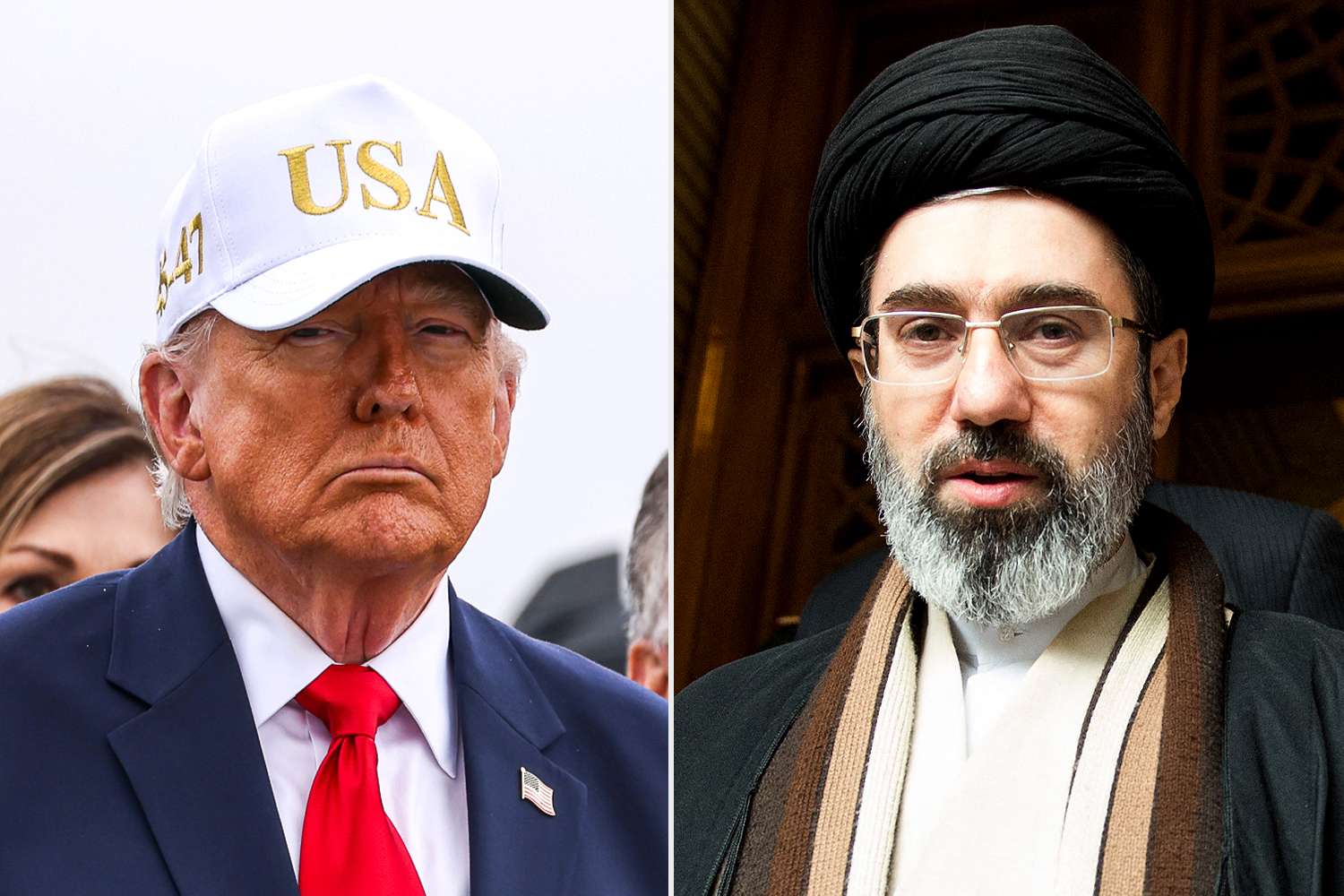
According to officials familiar with the discussions, preparations are underway, and there is growing confidence that talks could proceed. There are also indications that US President Donald Trump may join the discussions, either in person or virtually, if a breakthrough agreement is reached.
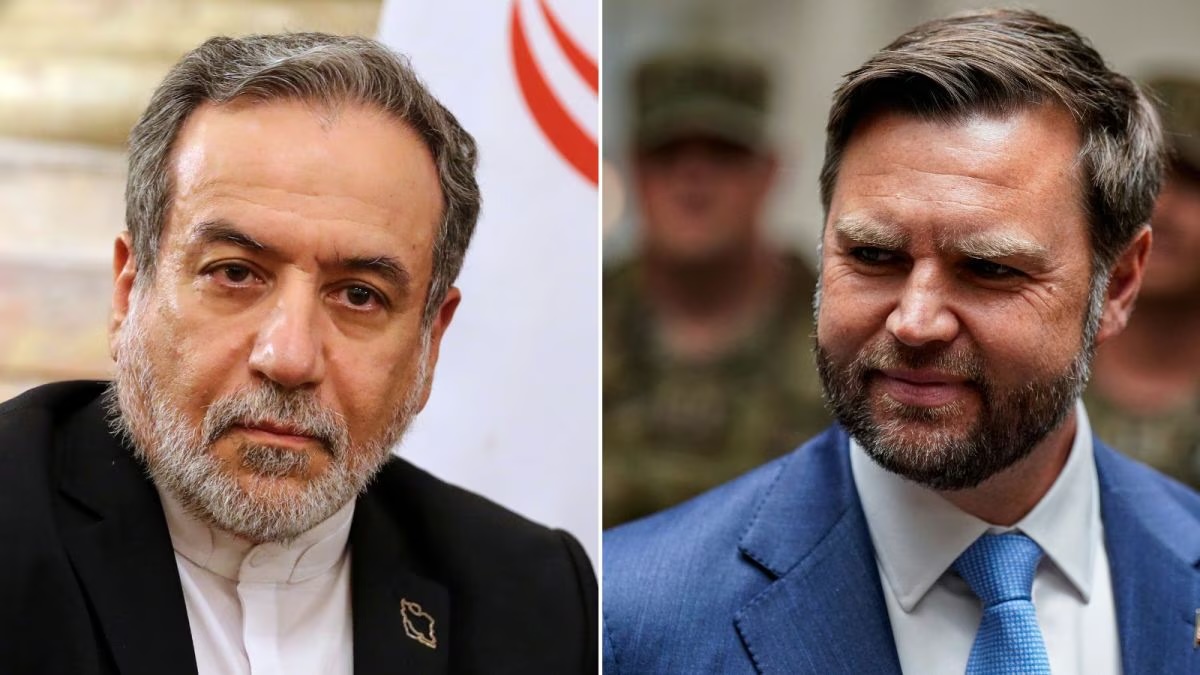
Reports suggest that US Vice President JD Vance is expected to travel to Pakistan for the negotiations. At the same time, Iranian officials have signaled that Tehran is reviewing the possibility of participating, though no final decision has been made.
Financial markets have already reacted to the renewed hope for diplomacy. Oil prices fell by more than $1, while Asian stock markets showed signs of recovery, reflecting expectations that talks could help ease tensions. This comes after oil prices had surged earlier due to concerns over stalled negotiations.
Despite this cautious optimism, tensions remain high. Iranian officials have criticized recent US actions, including restrictions on Iranian ports and the reported seizure of an Iranian commercial vessel, calling them violations of the ceasefire and obstacles to diplomacy.
Senior figures in Tehran have also warned of a strong response to any further escalation. Iranian leaders have made it clear that they will not engage in negotiations under pressure, emphasizing that respect and mutual understanding are essential for progress.
Meanwhile, key disagreements continue to pose challenges. The United States is seeking an agreement that would limit Iran’s ability to develop nuclear weapons and stabilize global markets, particularly oil prices. On the other hand, Iran is aiming to ease economic sanctions and maintain its strategic leverage, including its influence over the Strait of Hormuz.
With both sides holding firm on critical issues, the coming days are seen as crucial in determining whether diplomacy can prevail or tensions will escalate once again.
-
Pakistan Extends Airspace Ban on Indian Aircraft U...
The Pakistan Airports Authority has extended the ban on Indian aircraft using its airspace...
-
Pakistan Receives $1 Billion from Saudi Arabia, Co...
The State Bank of Pakistan has confirmed the receipt of $1 billion from Saudi Arabia, prov...
.jpg)
-
Iran War and Rising Inflation Push Trump’s Popul...
US President Donald Trump’s popularity has fallen to its lowest level, as ongoing tensio...
-
Pakistan Imposes Ban on New Universities and Tehsi...
In a strategic move to reform higher education standards, the government has officially ha...

-
Diplomatic Standoff: Iran Rejects New Talks with U...
Diplomatic deadlock in Islamabad! 🇵🇰📉 Iran has officially rejected the latest rou...