LEGAL
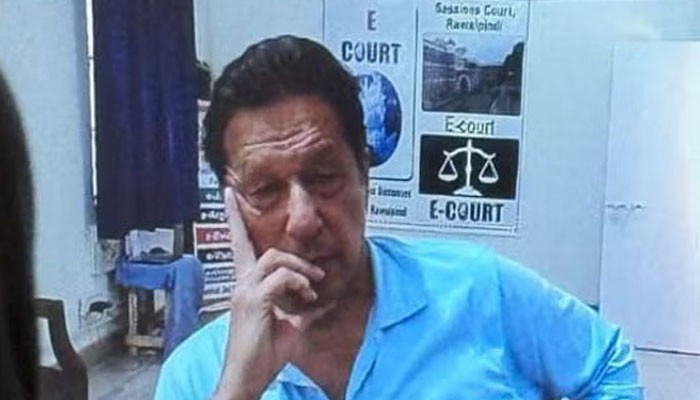
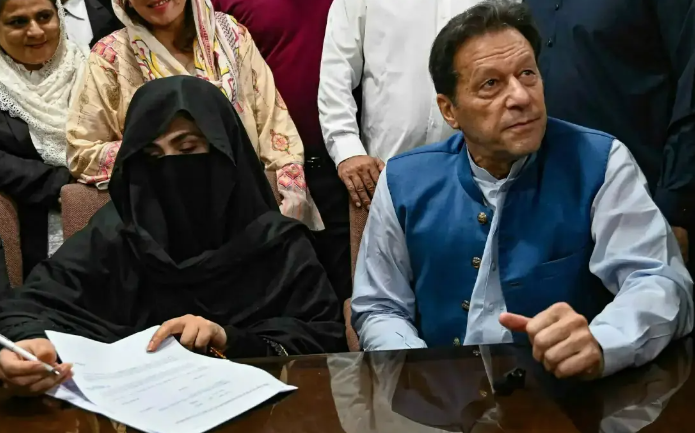
The Supreme Court of Pakistan on Monday disposed of the criminal petitions filed by Pakistan Tehreek-e-Insaf (PTI) founder Imran Khan, declaring them ineffective in light of subsequent developments and court reports. A two-member bench comprising Chief Justice of Pakistan Justice Yahya Afridi and Justice Shahid Bilal issued a detailed seven-page order ahead of the scheduled February 12 hearing.
The petitions had challenged interim and procedural orders during a criminal case filed following a complaint by the Election Commission of Pakistan. The court noted that the trial court had completed the case and pronounced the final judgment on August 5, 2023, rendering the earlier petitions against interim orders largely redundant.
Earlier reports regarding the conditions of Khan’s confinement were updated, as his place of detention had changed since the last assessment. The court appointed Barrister Salman Safdar as a friend of the court to assess current jail conditions in Rawalpindi. Both the jail superintendent’s report and Safdar’s independent report were submitted, finding the accommodation, food, cell conditions, routine medical check-ups, and security arrangements satisfactory.
The reports noted that Imran Khan expressed contentment with his security, residential arrangements, and food, acknowledging the natural limitations of imprisonment. However, concern was raised over his deteriorating eyesight. The Attorney General assured the court that medical examinations by ophthalmologists would be conducted before February 16, 2026, in accordance with the law.
Additionally, the judicial assistant recommended that Khan be allowed to communicate with his sons residing in the United Kingdom, as per legal and security regulations, and be provided books for mental health purposes. The Attorney General confirmed these measures would be facilitated.
In its order, the Supreme Court declared the petitions ineffective and adjourned them indefinitely, noting that any grievances regarding the matter should be addressed in the High Court, where Khan’s appeal is pending.
The development underscores the court’s position that procedural petitions challenging interim orders become moot once the trial concludes and highlights the judiciary’s oversight regarding prisoner welfare.
-
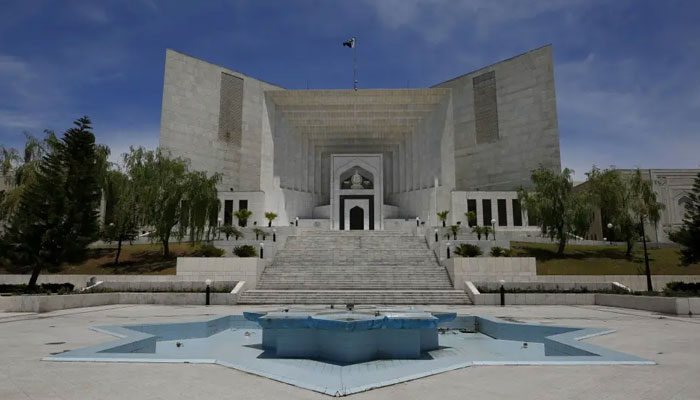
Supreme Court Aims to Resolve All Death Penalty Ca...
SC Pakistan sets 45-day target to dispose of all pending death penalty & life imprisonment...
-
PTI Protest Closes M-1 Motorway for Fourth Day, Co...
PTI workers’ sit-in at Swabi Interchange demanding Imran Khan’s hospital transfer clos...

-
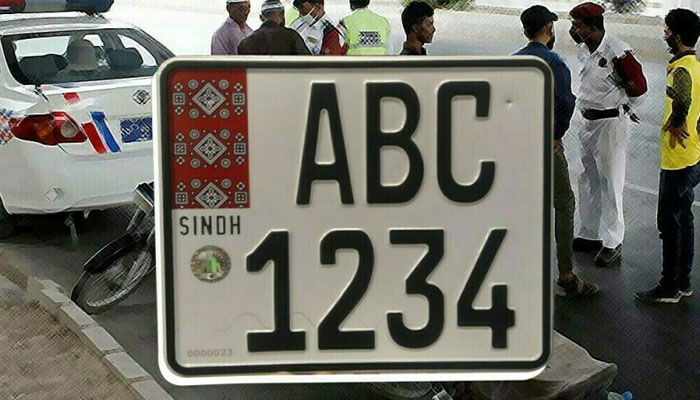
Sindh Implements Motor Vehicle Amendment Act 2024 ...
Sindh Excise implements Motor Vehicle Amendment Act 2024: Vehicle number plates now linked...
-
Imran Khan Speaks to Sons from Adiala Jail on Supr...
Former PM Imran Khan speaks to sons Qasim and Suleman for over 30 minutes from Adiala Jail...

-
Imran Khan, Bushra Bibi Move IHC for Suspension of...
Former PM Imran Khan and Bushra Bibi approach Islamabad High Court seeking suspension of s...